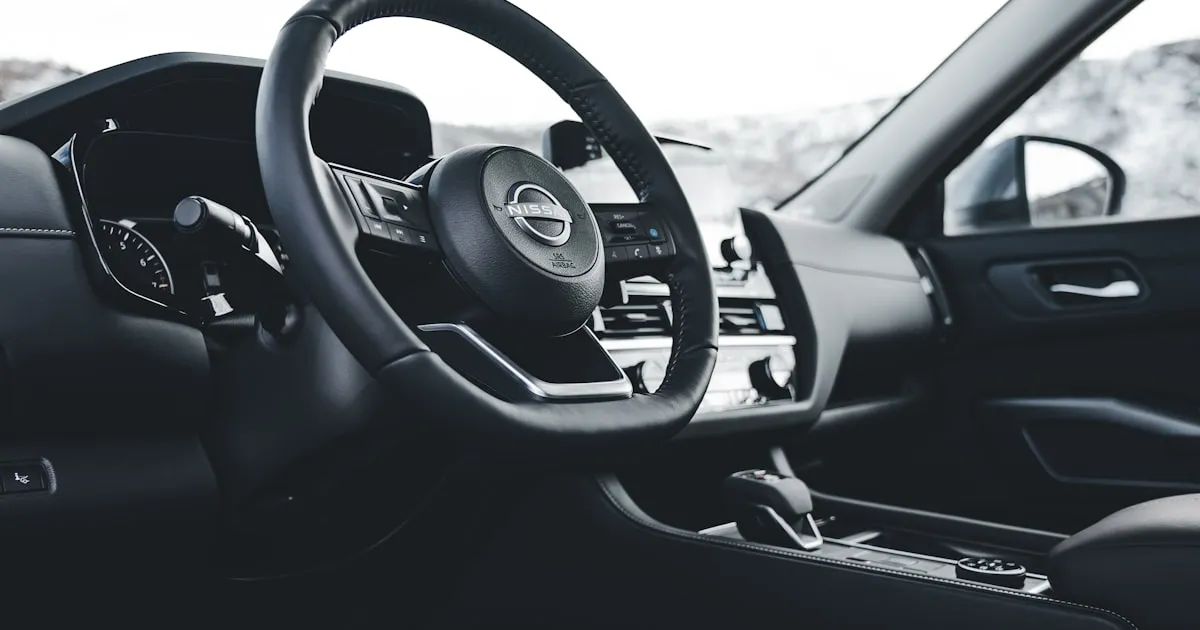
Car Interior Cleaning in Istanbul: The Complete Guide (2026)
Your car is more than a vehicle. For anyone living and driving in Istanbul, it is a second living room, a mobile office, and occasionally a dining table. The average Istanbul commuter spends between one and three hours per day behind the wheel, often in slow-moving traffic with windows closed and the air conditioning recirculating whatever has accumulated inside the cabin. Over weeks and months, that cabin becomes a reservoir of dust, allergens, food residue, sweat, and pollutants that no exterior car wash will ever address.
This guide covers everything you need to know about professional car interior cleaning in Istanbul: what the service includes, how fabric and leather seats are treated differently, how persistent odours are eliminated, what it costs in 2026, and how to decide between doing it yourself and calling in a specialist. If you own or lease a car on the European Side, this is the reference you have been looking for.
Why Car Interiors Get Dirty So Fast in Istanbul
Istanbul’s geography, climate, and traffic conditions create a uniquely hostile environment for car interiors. Understanding why your cabin deteriorates so quickly helps explain why periodic professional cleaning is not optional but necessary.
Traffic congestion and idle time. Istanbul consistently ranks among the most congested cities in Europe. Commuters along the E-5 corridor through Beylikdüzü, Avcılar, and Bakırköy spend extended periods in stop-and-go traffic. During these stretches, the cabin air filtration system works continuously, pulling in exhaust particulates, brake dust, and road grime. Over time, these microscopic particles settle into seat fibres, headliner fabric, and the crevices around dashboard controls.
Coastal humidity and salt air. Districts along the Marmara coastline, particularly Bakırköy, Florya, and Ataköy, expose parked vehicles to salt-laden sea air. This marine moisture penetrates window seals and door gaskets, promoting mildew growth in upholstery and creating that distinctive musty smell that car air fresheners only temporarily mask. Vehicles regularly parked in open lots near the Bakırköy waterfront are especially susceptible.
Construction dust. Istanbul is a city in perpetual construction. Developing neighbourhoods and expanding infrastructure projects throw fine particulate matter into the air. In Beylikdüzü, where residential construction continues at scale, cars parked in open garages or surface lots accumulate a visible layer of calcium-rich dust that embeds itself in fabric weaves and ventilation ducts.
Urban pollution. Dense traffic corridors through Şişli and Beşiktaş deliver a steady supply of diesel soot and nitrogen oxide residue. In Beşiktaş, where narrow streets concentrate vehicle emissions, the pollution load inside a parked car with partially open windows can exceed outdoor levels. These contaminants bond to plastic trim, discolour light-coloured headliners, and contribute to persistent cabin odour.
Daily life inside the car. Beyond environmental factors, everyday use takes its toll. Children eating snacks, coffee spills during the morning commute, pet hair from weekend trips, and the accumulated effect of getting in and out of the car with dusty shoes all contribute to an interior that gradually becomes unhygienic. Research has shown that a car steering wheel can harbour four times more bacteria than a typical toilet seat.
What Professional Car Interior Cleaning Includes
A thorough professional car interior cleaning is a systematic process that addresses every surface inside the cabin. At Temizyo, our service covers the following areas:
Seats (Fabric or Leather)
All seats receive deep cleaning appropriate to their material. Fabric seats are treated with hot steam extraction at 150 degrees Celsius, which penetrates deep into the weave to dissolve embedded dirt, kill bacteria, and extract moisture along with contaminants. Leather seats receive a pH-neutral cleaning agent, gentle brush agitation to open pores, followed by a conditioning cream and UV protectant. Seat crevices, headrests, and armrests are detailed individually.
Headliner (Ceiling Fabric)
The headliner is one of the most neglected surfaces in any car, yet it absorbs cigarette smoke, cooking odours, and airborne dust with remarkable efficiency. Professional cleaning uses controlled steam application to lift stains and yellowing without saturating the adhesive layer that bonds the fabric to the roof panel. Improper cleaning of the headliner causes sagging, which is why this is not a surface suited to DIY attempts.
Dashboard and Centre Console
Every plastic, rubber, and soft-touch surface on the dashboard, centre console, and instrument cluster is cleaned and detailed. Ventilation vents receive individual attention with precision brushes and compressed air to remove trapped dust. The steering wheel, gear lever, control knobs, and touchscreen are disinfected. This is where you physically interact with your car most, and it is where bacteria concentration is highest.
Door Panels and Sills
Door cards, armrest pockets, speaker grilles, window seal rubber strips, and door sills are cleaned. These areas collect debris from entry and exit, and the pockets in particular tend to accumulate forgotten receipts, wrappers, and grit.
Floor and Mats
Textile floor mats are removed, washed, and sanitised separately. The carpet beneath is vacuumed thoroughly, including under the seats and along the transmission tunnel. Rubber mats are scrubbed and disinfected. In Istanbul’s rainy season, floor areas are prone to moisture retention and mould growth beneath the mats.
Boot (Trunk)
The entire boot space is vacuumed and cleaned, including the spare tyre compartment. Boots tend to harbour forgotten groceries, damp sports equipment, and general debris that contribute to cabin odour when the rear ventilation circulates air from this space.
Interior Glass
All interior glass surfaces, including the windscreen, side windows, and rear window, are cleaned to remove the oily film that builds up from off-gassing dashboard plastics, condensation residue, and fingerprints. Clean interior glass dramatically improves visibility, particularly during night driving.
Fabric vs. Leather Seats: Different Materials, Different Care
The cleaning approach for car seats depends entirely on the upholstery material. Applying the wrong method can cause permanent damage. Here is a direct comparison:
| Factor | Fabric (Textile) Seats | Leather Seats |
|---|---|---|
| Cleaning Method | Hot steam extraction (150°C) with vacuum | pH-neutral leather cleaner with soft brush |
| Stain Resistance | Low — absorbs liquids and odours quickly | Higher — surface resists spills initially |
| Common Problems | Tea/coffee stains, sweat marks, pet hair, embedded dust | Drying, cracking, colour fading, dye transfer from jeans |
| Drying Time | 2—4 hours after steam cleaning | Minimal — surface treatment only |
| Conditioning Needed | No | Yes — moisturiser and UV protectant required |
| Risk of DIY Damage | Moderate — over-wetting can cause mould | High — wrong products cause discolouration and cracking |
| Recommended Frequency | Every 4—6 months | Every 3—4 months (conditioning), deep clean every 6 months |
Important: Steam or water-based cleaning must never be applied to leather seats. Water disrupts the leather’s natural structure, causing it to stiffen, crack, and lose its colour. Temizyo technicians assess the seat material before beginning any work and apply the appropriate protocol. For more on fabric care techniques that apply to both car and home upholstery, see our upholstery cleaning service page.
Odour Removal: The Ozone Solution
Persistent cabin odour is the single most common complaint that drives car owners to seek professional interior cleaning. Cigarette smoke, mould from coastal humidity, pet smells, and food residue all produce odours that ordinary cleaning and air fresheners cannot resolve. The molecules responsible for these smells embed themselves deep in fabric fibres, foam padding, and ventilation ducting. Masking them with scented sprays is temporary and ineffective.
How professional ozone treatment works:
Ozone (O3) is a powerful oxidising gas. A professional-grade ozone generator is placed inside the sealed vehicle cabin. Over a period of 30 to 60 minutes, ozone molecules circulate through the interior, breaking down odour-causing compounds at the molecular level. The result is genuine elimination, not concealment.
The process:
- The entire interior is cleaned first (seats, headliner, dashboard, vents) to remove the physical sources of odour.
- The ozone generator is placed inside the cabin.
- All windows and doors are sealed.
- The generator runs for 30—60 minutes.
- The vehicle is ventilated thoroughly before return to the owner.
Ozone treatment achieves 90—95 percent odour elimination in a single session. For severe cases, such as vehicles used by heavy smokers for years, the cleaning and ozone cycle can be repeated. The standalone ozone service is priced at 550 TL and can be combined with a full interior clean at a discounted package rate.
2026 Car Interior Cleaning Prices in Istanbul
Current pricing for professional car interior cleaning across Istanbul’s European Side:
| Service | Price (2026) | Details |
|---|---|---|
| Sedan — Full Interior Clean | ₺2,750 | Seats + headliner + dashboard + boot + floor |
| SUV / Large Vehicle — Full Interior Clean | ₺3,300 | Larger cabin area and boot |
| Headliner Cleaning (Standalone) | ₺660 | Smoke stains, yellowing, odour |
| Headliner + Seats Combo | Discounted rate | Reduced price when booked together |
| Seat Cleaning Only | From ₺1,650 | All seats, no headliner or dashboard |
| Ozone Odour Treatment | ₺550 | Cigarette, mould, pet odour removal |
All prices include VAT. There are no additional service fees or hidden charges. To receive an exact quote for your vehicle, send a photograph of your car’s interior via WhatsApp and you will have a confirmed price within minutes. Full service details are available on our car interior cleaning page.
The Step-by-Step Professional Cleaning Process
Understanding the process helps you know what to expect when you hand over your keys. Here is how a typical Temizyo car interior cleaning session unfolds:
Step 1 — Initial Assessment. The technician inspects the entire interior, identifies the seat material (fabric, leather, or mixed), notes specific stains or damage, and documents the vehicle’s condition. This step determines which products and techniques will be used.
Step 2 — Dry Extraction. All loose debris is removed. Floor mats are taken out. The entire cabin, including seats, seat crevices, floor, boot, and dashboard surfaces, is thoroughly vacuumed using commercial-grade equipment with narrow nozzle attachments for tight spaces.
Step 3 — Pre-Treatment of Stains. Visible stains on fabric seats and the headliner are pre-treated with enzymatic cleaning solutions. These solutions break down organic compounds (food, beverages, body oils) at the molecular level, making them far easier to extract in the next step.
Step 4 — Deep Cleaning. Fabric surfaces receive hot steam extraction. Leather surfaces receive their dedicated cleaning and conditioning treatment. The dashboard, console, and all plastic trim are cleaned and detailed. Door panels, sills, and interior glass are addressed. Every ventilation vent is individually cleaned.
Step 5 — Disinfection. High-contact surfaces, including the steering wheel, gear lever, handbrake, door handles, and control buttons, are treated with antibacterial solution. This step eliminates up to 99.9 percent of surface bacteria.
Step 6 — Ozone Treatment (If Requested). For vehicles with persistent odour issues, the ozone generator is deployed as described above.
Step 7 — Final Inspection and Drying. The vehicle is inspected for quality, any remaining spots are addressed, and the car is left to air-dry in a ventilated area. Fabric seats typically require 2—4 hours to dry completely.
The entire process takes approximately 2—3 hours for a sedan and 3—4 hours for an SUV. If ozone treatment is included, add an additional hour.
How Often Should You Clean Your Car Interior?
The right cleaning frequency depends on your usage patterns and where you park. Here are general recommendations:
| Usage Profile | Recommended Frequency | Why |
|---|---|---|
| Daily commuter (1—3 hours/day in traffic) | Every 4—6 months | Continuous dust, pollution, and sweat accumulation |
| Family car with children | Every 3—4 months | Food spills, drink stains, general mess |
| Smoker’s vehicle | Every 3 months + ozone each session | Smoke residue embeds rapidly in all fabrics |
| Coastal parking (Bakırköy, Florya) | Every 4 months | Salt air and humidity promote mildew |
| Garage-parked, light use | Every 6—8 months | Lower exposure but dust and allergens still accumulate |
| Before selling the vehicle | One thorough professional clean | Clean interiors increase resale value by 15—20 percent |
| After long road trips | After each trip | Extended use concentrates cabin contamination |
As a general rule, every car in Istanbul benefits from professional interior cleaning at least twice per year. If you have children, pets, or smoke in the vehicle, increase that frequency to three or four times annually.
DIY vs. Professional Cleaning: An Honest Comparison
There is nothing wrong with maintaining your car interior between professional sessions. In fact, we encourage it. But it is important to understand what DIY cleaning can and cannot achieve compared to professional service.
| Criterion | Professional Cleaning | DIY Cleaning |
|---|---|---|
| Depth of Clean | Penetrates deep into fabric fibres and padding | Surface-level only |
| Headliner Cleaning | Safe, controlled steam application | High risk of sagging and water damage |
| Odour Removal | Ozone — permanent molecular elimination | Air fresheners — temporary masking |
| Bacteria Elimination | 99.9 percent effective | Insufficient without commercial agents |
| Leather Care | Professional-grade conditioners and UV protectants | Risk of using wrong products, causing cracking |
| Time Required | 2—4 hours (drop off and collect) | Half a day or more of your own labour |
| Equipment | Industrial steam extractors, commercial vacuums | Household vacuum, cloths, spray bottles |
| Cost | From ₺2,750 | ₺300—500 in products + your time |
| Result Duration | 3—6 months before next service needed | 2—4 weeks before visible re-soiling |
Our recommendation: Have a professional deep clean performed once or twice a year, and maintain the cabin between sessions with simple weekly habits. Wipe down the dashboard and steering wheel with a damp microfibre cloth each week. Vacuum the seats and floor monthly. Remove rubbish daily. Keep an activated carbon odour absorber in the cabin rather than perfumed air fresheners, which only mask smells without addressing their source.
District-Specific Notes for Istanbul Car Owners
Istanbul’s European Side presents different challenges depending on where you live and park.
Beylikdüzü. The E-5 corridor through Beylikdüzü subjects commuters to some of the longest traffic queues on the European Side. Construction activity in the expanding residential zones throws calcium-rich dust into the air, and vehicles parked in the large multi-storey garages around Marmara Park and Beylikdüzü Yaşam Vadisi accumulate this fine particulate rapidly. Cabin air filters clog faster here, and the dust that bypasses the filter settles into every fabric surface. We recommend professional interior cleaning every four months for Beylikdüzü residents.
Bakırköy. The coastal position of Bakırköy, particularly around Florya, Ataköy, and the marina area, exposes parked vehicles to salt-laden Marmara air. This marine moisture is the primary driver of mildew odour in car interiors along this stretch of coastline. Ozone treatment is especially popular among our Bakırköy clients, and we recommend it as a standard addition to every interior cleaning session for vehicles regularly parked near the waterfront.
Beşiktaş. Narrow streets, dense traffic, and limited parking options define the Beşiktaş driving experience. Vehicles parked on side streets are exposed to concentrated exhaust from passing traffic, and the resulting diesel soot deposits discolour light-coloured headliners and dashboard surfaces more quickly than in less congested districts. Regular dashboard and headliner cleaning is particularly important here.
Şişli. As one of Istanbul’s busiest commercial and residential districts, Şişli delivers a constant stream of urban pollutants. Heavy traffic along Büyükdere Caddesi and Halaskargazi Caddesi means that vehicles spend extended time in emission-dense environments. Drivers in Şişli often report faster cabin odour development and more visible grime accumulation on interior surfaces.
Temizyo provides on-site service across all these districts and the wider European Side. Your vehicle is collected from your address, cleaned at our facility, and returned to you. To book, contact us via WhatsApp or visit our car interior cleaning service page.
Frequently Asked Questions
How long does a professional car interior cleaning take?
A full interior clean for a sedan takes approximately two to three hours. SUVs and larger vehicles require three to four hours due to greater cabin area and additional seating. This includes seat cleaning, headliner treatment, dashboard detailing, floor and boot vacuuming, and disinfection. If ozone odour treatment is added, expect an additional hour. Drying time for fabric seats is two to four hours after completion.
Is professional car interior cleaning worth the cost?
Professional cleaning reaches depths that household tools cannot. Industrial steam extraction removes bacteria, allergens, and embedded grime from deep within seat fabric and padding, achieving 99.9 percent bacterial elimination. Proper leather conditioning prevents cracking and fading that would cost far more to repair or reupholster. A well-maintained interior also adds 15 to 20 percent to your vehicle’s resale value, making the investment financially sound.
Can cigarette smell be completely removed from a car?
Ozone treatment eliminates 90 to 95 percent of cigarette odour in a single session. The process works by breaking down odour molecules at the chemical level, not by masking them. For heavily smoked-in vehicles, a combined deep clean and ozone session may need to be repeated once. Perfumed sprays and hanging air fresheners cannot achieve the same result because they only cover the smell temporarily without addressing its molecular source.
How is leather seat cleaning different from fabric seat cleaning?
Leather and fabric seats require entirely different cleaning protocols. Fabric seats are cleaned with hot steam extraction to dissolve and vacuum out embedded dirt. Leather seats must never be exposed to steam or water-based washing, which causes the material to dry out, stiffen, and crack. Instead, leather is treated with a pH-neutral cleaner, gently brushed to open pores, then conditioned with a moisturising cream and UV protectant to maintain suppleness and colour.
Do you provide car interior cleaning across all of Istanbul’s European Side?
Yes. Temizyo serves the entire European Side of Istanbul, including Beylikdüzü, Avcılar, Bakırköy, Beşiktaş, Şişli, Bahçelievler, Küçükçekmece, and surrounding districts. We offer a collection and delivery service: your vehicle is picked up from your address, professionally cleaned, and returned to you the same day. No need to drive anywhere or wait at a facility. Book through our service page or via WhatsApp.
This guide was prepared by the Temizyo editorial team as of March 2026. For detailed information and a personalised price quote for your vehicle, visit our car interior cleaning page or contact us via WhatsApp.
Need Professional Help?
Temizyo's expert team is ready to help. Get a free quote in 2 minutes via WhatsApp.
Ferhat Anaç is the founder of Temizyo, a professional cleaning service platform serving Istanbul's European Side. With hands-on experience across upholstery, carpet, and yacht cleaning, he leads a team delivering eco-friendly, detail-oriented cleaning to thousands of homes and businesses.