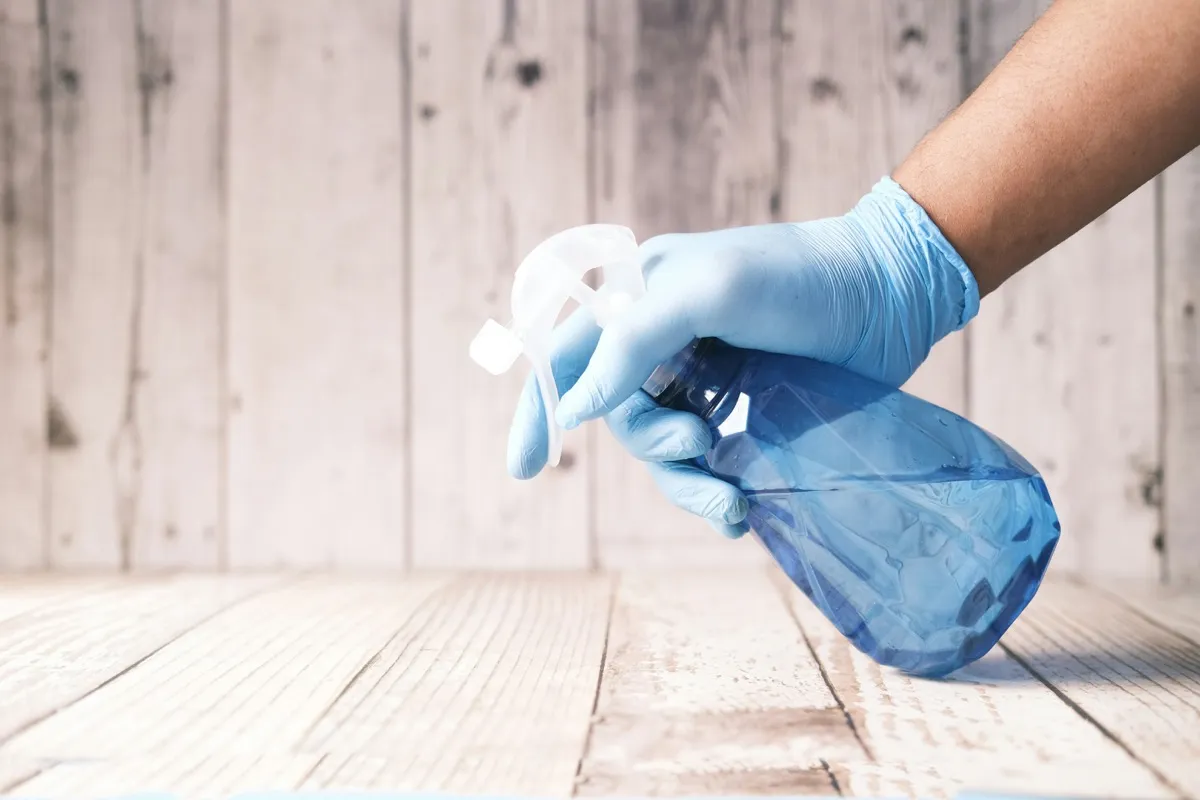
Your home may look spotless at a glance. Counters wiped, floors swept, cushions fluffed. Yet beneath that reassuring surface, millions of bacteria, invisible dust mites, and airborne allergens could be quietly colonizing the spaces where you sleep, eat, and breathe. In a city like Istanbul — where humidity runs high, construction dust is constant, urban pollution blankets entire neighborhoods, and millions of people share densely packed apartment buildings — the gap between visible cleanliness and genuine hygiene is wider than most residents realize.
This guide breaks down what true home hygiene means, room by room. We cover disinfection techniques, allergen hotspots, Istanbul-specific challenges, and the honest line between what you can handle yourself and when professional intervention makes a measurable difference. Whether you live in a family apartment in Bahçelievler, a new-build in Başakşehir, or a seaside flat near Küçükçekmece, these principles apply directly to your daily life.
Visible Cleanliness vs Genuine Hygiene
Cleaning removes dirt, dust, and debris you can see. Hygiene goes further: it means controlling microscopic threats — bacteria, viruses, mold spores, and allergens — that no amount of wiping with a dry cloth will address. Spraying a kitchen counter with water and wiping it down is cleaning. Applying an antibacterial solution and allowing it to sit for the recommended contact time before wiping is hygiene.
This distinction matters because many common illnesses — seasonal flu, food poisoning, respiratory allergies, skin irritation — originate not from visible filth but from microbial contamination on surfaces that appear perfectly clean. Understanding this difference is the first step toward making your home genuinely healthier.
Hidden Bacteria Hotspots in Your Home
The dirtiest spots in your home are rarely the ones you would guess. Here is a breakdown of average bacterial density on common household items, based on microbiology research:
| Household Item / Surface | Average Bacteria Count (CFU/cm²) | Risk Level |
|---|---|---|
| Kitchen sponge | 10,000,000+ | Very high |
| Cutting board | 200,000+ | High |
| Toilet seat | 50,000 | Medium-high |
| Phone screen | 25,000 | Medium-high |
| Door handle | 8,000 | Medium |
| TV remote control | 7,000 | Medium |
| Refrigerator handle | 5,000 | Medium |
| Faucet handle | 6,000 | Medium |
| Light switch | 2,500 | Low-medium |
The kitchen sponge is the single dirtiest object in most homes — carrying roughly 200 times more bacteria than a toilet seat. Replace sponges weekly, or microwave them damp for two minutes to drastically reduce bacterial load. These bacterial hotspots create different risk profiles in each room of your home, which is why a room-by-room approach to hygiene is essential.
Kitchen Hygiene: The Heart of Food Safety
The kitchen connects directly to food safety, making it the room that demands the most disciplined hygiene approach. Pathogens like E. coli, Salmonella, and Listeria thrive in kitchen environments where moisture, food residue, and warmth converge.
Core kitchen hygiene practices:
- Separate cutting boards: Use dedicated boards for raw meat and vegetables. After each use, wash with hot soapy water followed by a vinegar-water solution or antibacterial spray. Wooden boards require extra attention as bacteria can penetrate surface grooves.
- Sponge management: Wring your sponge thoroughly after every use, wash it daily with hot water and dish soap, and replace it every one to two weeks without exception.
- Countertop disinfection: Build the habit of spraying antibacterial cleaner before and after food preparation. In Istanbul’s warm months, bacteria multiply faster on surfaces, making this step especially important between June and September.
- Refrigerator hygiene: Maintain an internal temperature below 4 degrees Celsius. Perform a monthly deep clean of shelves and drawers. The vegetable crisper is particularly prone to bacterial buildup from produce residue. Wipe up any spills immediately — pooled liquid in a refrigerator is an ideal breeding ground.
- Trash bin: Use a lidded bin and disinfect the interior surface every time you change the bag. In Istanbul’s warmer months, kitchen waste decomposes faster and attracts pests more quickly than residents coming from cooler climates expect.
- Range hood and filters: Grease buildup on range hood filters is not just an aesthetic issue — it harbors bacteria and reduces ventilation efficiency. Clean or replace filters monthly in heavy-cooking households.
Istanbul-specific note: In neighborhoods like Bahçelievler and Bağcılar, where apartment kitchens tend to be compact and ventilation can be limited, maintaining airflow during and after cooking is critical. Open a window or run an extractor fan for at least 15 minutes after cooking to reduce moisture and airborne grease particles.
Bathroom Hygiene: Managing Istanbul’s Humidity Challenge
The bathroom combines moisture and warmth in a way that creates ideal conditions for bacteria and mold. This is true everywhere, but in Istanbul it carries additional weight. The city’s humidity — particularly in coastal districts like Bakırköy, Avcılar, and Beylikdüzü, and in low-lying neighborhoods near the Küçükçekmece lake basin — means that bathroom surfaces stay damp longer, and mold establishes itself faster than in drier climates.
Key bathroom hygiene priorities:
- Toilet and surroundings: Close the lid before flushing to reduce aerosol spray of bacteria. Clean under the rim at least twice weekly with a dedicated disinfectant. The base of the toilet and the floor immediately around it accumulate bacteria that regular mopping misses.
- Shower enclosure and grout lines: After each shower, use a squeegee to wipe down glass panels and tile walls. This simple 30-second habit dramatically slows mold growth. Apply a grout cleaner and mold inhibitor monthly. Darkened grout is not just unsightly — it is actively releasing mold spores into the air you breathe.
- Towels: Damp towels are bacterial incubators. Wash bath towels after every two to three uses at 60 degrees Celsius minimum. Between uses, hang them spread out in a ventilated area — bunched towels on hooks dry too slowly.
- Soap dishes and toothbrush holders: These accessories are frequently neglected but show significant bacterial accumulation. Disinfect weekly by soaking in a diluted bleach solution.
- Ventilation: After bathing, keep the window open or run the exhaust fan for at least 15 to 20 minutes. In older Istanbul apartments — common in Bahçelievler, Güngören, and parts of Bakırköy — where bathroom ventilation is limited to a small window, this step is non-negotiable for mold prevention.
Bedroom Hygiene: Allergen Control Headquarters
You spend an average of seven to eight hours per day in your bedroom, making it the room where allergen exposure has the greatest cumulative impact. Dust mites, shed skin cells, pet dander, and pollen concentrate in bedding, mattresses, pillows, and soft furnishings.
Bedroom hygiene strategy:
- Bedding: Wash sheets and pillowcases weekly at a minimum of 60 degrees Celsius. Dust mites survive lower-temperature washes. Invest in anti-allergen mattress and pillow encasements — these create a physical barrier that prevents mites from colonizing the filling.
- Mattress care: Vacuum the mattress surface monthly with a HEPA-filtered vacuum. Rotate or flip the mattress seasonally. Professional mattress cleaning annually removes deep-seated allergens that surface vacuuming cannot reach.
- Quilts and blankets: Have these professionally cleaned at seasonal transitions. On sunny days, airing them outdoors allows UV radiation to reduce mite populations naturally.
- Curtains and blinds: Dust and pollen accumulate on curtain fabric and are released into the air you breathe overnight every time a breeze disturbs them. Vacuum curtains monthly or wash them seasonally.
- Carpets and rugs: Bedroom carpets are allergen reservoirs. Vacuum at least twice weekly with a HEPA-filtered unit. Professional deep carpet cleaning once or twice yearly is recommended.
Istanbul-specific note: In newer developments around Başakşehir and Kayasehir, centralized heating systems can dry indoor air excessively during winter months. This causes dust to remain suspended in the air longer, increasing respiratory irritation. Using a humidifier to maintain indoor humidity between 40 and 50 percent improves both comfort and air quality — but do not exceed 50 percent, or you will encourage the very dust mites you are trying to control.
Living Room: Where Upholstery Meets Daily Life
The living room is the most shared space in any home. Sofa fabrics, armchair cushions, throw pillows, and area rugs absorb body oils, food particles, pet hair, and airborne pollutants through constant daily contact. The microbiological load on a well-used sofa can be surprisingly high.
Living room hygiene essentials:
- Sofa and upholstery care: Vacuum all upholstered surfaces weekly, paying special attention to crevices where crumbs and dust accumulate. Every six months, invest in professional upholstery cleaning for a genuine deep hygiene treatment. Steam cleaning at temperatures above 150 degrees Celsius eliminates the vast majority of bacteria and dust mites embedded in fabric.
- Area rugs and carpets: Rugs are the preferred habitat of dust mites. Regular vacuuming is necessary but insufficient on its own. Professional deep cleaning once or twice per year extracts allergens from deep within the carpet fibers.
- Throw pillows and cushion covers: Decorative pillows accumulate bacteria just like bed pillows. Choose machine-washable covers and launder them monthly.
- Electronics: TV remotes, game controllers, tablets, and laptop keyboards are high-touch surfaces that rarely get cleaned. Wipe them weekly with disinfectant wipes — but check manufacturer guidelines to avoid damaging screens.
- Air conditioning units: In Istanbul, AC units run heavily from May through October. Dirty filters recirculate dust, mold spores, and bacteria throughout the room. Clean or replace AC filters monthly during the cooling season.
Entryway Hygiene: Istanbul’s First Line of Defense
The entryway deserves special attention in Istanbul for a reason that differentiates Turkish homes from many Western households: the shoe-free culture. Most Turkish homes maintain a strict no-shoes-indoors policy, with a dedicated shoe cabinet or rack at the entrance. This single cultural practice dramatically reduces the amount of outdoor dirt, bacteria, and pollutants tracked through the home.
However, the entryway itself becomes a concentration point for everything that comes in from outside. In a megacity with 16 million people, heavy traffic pollution, construction activity on seemingly every block, and seasonal pollen, the entryway collects significant contamination.
Entryway hygiene practices:
- Place quality doormats both outside and inside the front door
- Sweep and mop the entryway floor at least twice weekly
- Disinfect shoe cabinet interiors monthly — shoes carry bacteria from sidewalks, public transport floors, and street puddles
- Wipe the front door handle, intercom panel, and light switch daily with a disinfectant wipe
- Keep a small bottle of hand sanitizer near the entrance for use immediately upon arriving home
- In pollen season, consider changing clothes in the entryway area rather than carrying outdoor allergens into bedrooms
Istanbul-Specific Hygiene Challenges
Living in Istanbul presents hygiene challenges that residents of smaller or less humid cities simply do not face. Understanding these factors helps you calibrate your cleaning routines appropriately.
| Challenge | Cause | Affected Areas | Recommended Action |
|---|---|---|---|
| High humidity and mold | Proximity to sea, lake basins, limited building ventilation | Bathrooms, ground-floor rooms, closets | Dehumidifier use, daily ventilation, monthly mold treatment |
| Construction dust | Ongoing urban development and building renovation across the city | Windowsills, balconies, cabinet interiors | Weekly dusting of all surfaces, sealed window gaps, air purifier |
| Hard water and limestone | Mineral-rich water supply, especially on the European Side | Faucets, showerheads, glass panels, kettles | Weekly descaling with commercial limestone remover |
| Urban air pollution | Traffic density, industrial zones, ship emissions near coast | Balconies, exterior windows, curtains, AC filters | Frequent balcony cleaning, monthly AC filter changes, curtain washing |
| Seasonal pollen surges | Diverse vegetation, parks, and forest areas surrounding residential zones | Bedding, curtains, entryway, soft furnishings | Closed windows during peak pollen, HEPA filtration, seasonal deep clean |
Residents of Küçükçekmece near the lake basin and Avcılar along the coast consistently report higher indoor humidity levels. Those in Bahçelievler and Bağcılar, situated along major traffic arteries, deal with more dust and particulate matter settling on interior surfaces. Başakşehir and Esenyurt, with their dense new construction, face ongoing construction dust challenges.
Disinfection Methods: What Actually Works
Not all disinfection approaches are equal. Here is an honest assessment of common methods and their effectiveness:
Chemical disinfectants (commercial antibacterial sprays and solutions): Effective when used correctly. The critical factor most people overlook is contact time — the disinfectant must remain wet on the surface for the duration specified on the label, typically three to five minutes. Spraying and immediately wiping provides minimal antibacterial benefit.
Vinegar and baking soda: Useful for light disinfection and odor removal. A one-to-one vinegar-water solution works adequately for daily maintenance of kitchen counters and faucet handles. However, vinegar and baking soda are insufficient against serious bacterial or viral contamination. For high-risk surfaces — toilet bowls, cutting boards after raw meat, and bathroom floors — use certified antibacterial products.
Steam cleaning: Highly effective. Steam at temperatures above 100 degrees Celsius kills bacteria, dust mites, and most viruses on contact. Professional steam cleaning equipment reaches temperatures of 150 degrees Celsius and above, providing hospital-grade sanitization for upholstery, mattresses, and carpets. This is why professional upholstery cleaning delivers results that consumer-grade products cannot match.
UV-C light devices: Consumer UV-C wands and boxes have gained popularity but their effectiveness depends entirely on exposure time and distance. They can supplement other methods but should not be relied upon as a primary disinfection tool for large surfaces.
Bleach solutions: Powerful and inexpensive. A diluted bleach solution (one tablespoon per liter of water) is effective against most household pathogens. However, bleach damages many surfaces, discolors fabrics, and produces fumes that require good ventilation. Use selectively — bathroom tiles and toilet bowls, yes; wooden furniture and colored fabrics, absolutely not.
Professional vs DIY: The Honest Breakdown
Some hygiene tasks are straightforward enough to handle yourself with the right products and consistency. Others genuinely require professional-grade equipment to achieve meaningful results.
| Hygiene Task | DIY Effective? | Professional Advantage |
|---|---|---|
| Daily surface disinfection (counters, handles, switches) | Yes — with proper products and contact time | Not necessary for routine maintenance |
| Weekly bathroom deep clean | Yes — time-consuming but achievable | Recommended quarterly for deep grout and mold treatment |
| Kitchen appliance interiors | Yes — with appropriate degreasers | Recommended for annual deep hygiene |
| Upholstery and sofa deep cleaning | No — surface vacuuming only addresses top layer | Essential — extraction equipment removes deep allergens |
| Carpet deep cleaning and allergen removal | No — consumer vacuums lack sufficient suction | Essential — professional extraction removes embedded mites |
| Mold remediation (established mold colonies) | Risky — surface treatment may not address root cause | Strongly recommended — professionals identify moisture sources |
| Post-illness whole-home disinfection | Partial — you can disinfect hard surfaces | Recommended — professionals cover soft furnishings and hidden areas |
| Mattress deep cleaning and sanitization | Limited — vacuuming helps but cannot extract deep contaminants | Recommended annually — steam extraction reaches deep layers |
The practical reality is this: daily and weekly hygiene maintenance is absolutely within the capabilities of any diligent household. But the deep-layer allergen removal in carpets, upholstered furniture, and mattresses requires equipment that operates at a level consumer products simply do not reach. This is why combining a disciplined home routine with periodic professional house cleaning delivers the best results for long-term health.
When to Call in Professional Help
Beyond the regular maintenance schedule, certain situations make professional intervention not just convenient but genuinely important for health:
- After infectious illness: When anyone in the household recovers from flu, gastroenteritis, or other contagious illness, professional disinfection of all contact surfaces and soft furnishings prevents reinfection.
- Moving into a new apartment: The previous occupants’ bacterial and allergen residue lingers in carpets, upholstery, and hidden surfaces. A professional deep clean before unpacking your belongings starts your tenancy on hygienic footing.
- Preparing for a new baby: The nursery and surrounding rooms should receive antibacterial deep treatment before the infant arrives.
- Recurring allergy symptoms indoors: If you experience sneezing, congestion, or skin irritation that improves when you leave home, indoor allergen buildup likely requires professional-grade removal.
- Returning to a home left vacant: Summer houses, second residences, or apartments left empty for extended periods develop mold and bacterial colonies that surface cleaning alone cannot address.
- Pet-related issues: After flea or tick infestations, or during heavy shedding seasons, professional deep cleaning of upholstery and carpets removes embedded dander and parasites.
Temizyo provides professional house cleaning and upholstery cleaning services across all neighborhoods on Istanbul’s European Side — including Bahçelievler, Başakşehir, Küçükçekmece, Bakırköy, Avcılar, Esenyurt, and beyond.
Seasonal Deep Cleaning Calendar
Maintaining hygienic living spaces year-round requires adjusting your focus with the seasons. Istanbul’s climate creates distinct hygiene priorities in each quarter:
Spring (March through May): The most important deep cleaning period. Focus on pollen control — wash all curtains, deep clean carpets and upholstery, replace AC filters, and wash mattress protectors. This is the ideal time for professional house cleaning to clear winter accumulation and prepare for the high-pollen weeks ahead.
Summer (June through August): Humidity peaks and pests become active. Prioritize bathroom and kitchen grout cleaning, increase trash bin disinfection frequency, deep clean the refrigerator, and monitor for mold in poorly ventilated areas.
Autumn (September through November): Prepare for indoor season. Professional upholstery and carpet cleaning removes summer’s accumulated allergens. Wash curtains, clean heating system filters, and swap seasonal bedding with freshly laundered replacements.
Winter (December through February): Focus on indoor air quality. Ventilate briefly but frequently (short bursts to avoid heat loss), use a humidifier if central heating dries the air, increase surface disinfection frequency during cold and flu season, and watch for bathroom mold from condensation.
Frequently Asked Questions
How often should I disinfect high-touch surfaces at home?
High-touch surfaces — door handles, light switches, faucet handles, phone screens, remote controls — should be disinfected two to three times per week under normal circumstances. During cold and flu season or when someone in the household is ill, increase this to daily. Use antibacterial wipes or spray with an appropriate disinfectant, ensuring you allow the recommended contact time (typically three to five minutes) before wiping dry.
What is the most effective way to control dust mites in an Istanbul apartment?
Dust mite control requires a multi-pronged approach. Maintain indoor humidity between 40 and 50 percent using a dehumidifier if necessary. Wash all bedding weekly at 60 degrees Celsius or higher. Use HEPA-filtered vacuums on carpets, upholstery, and mattresses at least twice weekly. Install anti-allergen encasements on mattresses and pillows. Where feasible, replace carpets with hard flooring. For embedded mite populations in upholstery and carpets, professional steam extraction cleaning provides the most thorough results.
Are natural cleaners like vinegar and baking soda sufficient for home disinfection?
Vinegar and baking soda are effective for light maintenance cleaning and mild disinfection on low-risk surfaces such as kitchen counters and glass. However, they are not adequate for eliminating serious bacterial or viral contamination. High-risk surfaces — toilet bowls, cutting boards used for raw meat, bathroom floors, and any surface during illness — require certified antibacterial products. Use natural cleaners as a daily supplement, not as a replacement for proper disinfectants.
How does Istanbul’s climate specifically affect home hygiene?
Istanbul’s combination of high humidity (especially in coastal and lakeside districts), hard mineral-rich water, persistent urban air pollution, and significant seasonal pollen creates hygiene challenges that exceed what most cities demand. Humidity accelerates mold growth and dust mite reproduction. Hard water leaves limestone deposits that harbor bacteria. Air pollution coats surfaces with particulate matter. Pollen infiltrates homes through windows and on clothing. Together, these factors mean Istanbul residents need to clean more frequently and more thoroughly than residents of drier, less polluted cities.
When should I hire professional cleaners instead of doing it myself?
Hire professional cleaners for tasks that require commercial-grade equipment: deep carpet cleaning, upholstery steam extraction, established mold remediation, post-illness disinfection, and move-in or move-out deep cleaning. Professional equipment operates at temperatures and suction levels that consumer products cannot match, making a genuine difference in allergen and bacteria removal. For daily and weekly surface maintenance, DIY is perfectly adequate with the right products and technique. The ideal approach is combining consistent home maintenance with professional deep cleaning two to four times per year.
Temizyo: Professional Hygiene Support Across Istanbul
If you are ready to take your home hygiene beyond what daily maintenance can achieve, professional support makes a measurable difference. Temizyo provides house cleaning and upholstery cleaning services across all neighborhoods on Istanbul’s European Side — including Bahçelievler, Başakşehir, Küçükçekmece, Bakırköy, Avcılar, Esenyurt, Beylikdüzü, and every district in between.
To schedule a cleaning or get an assessment of your home’s hygiene needs, reach out via WhatsApp:
Contact us on WhatsApp: 0531 522 05 38
This guide was prepared by the Temizyo editorial team as of March 2026. For detailed information about home hygiene and professional disinfection services, visit our house cleaning service page or call 0531 522 05 38.
Need Professional Help?
Temizyo's expert team is ready to help. Get a free quote in 2 minutes via WhatsApp.
Ferhat Anaç is the founder of Temizyo, a professional cleaning service platform serving Istanbul's European Side. With hands-on experience across upholstery, carpet, and yacht cleaning, he leads a team delivering eco-friendly, detail-oriented cleaning to thousands of homes and businesses.