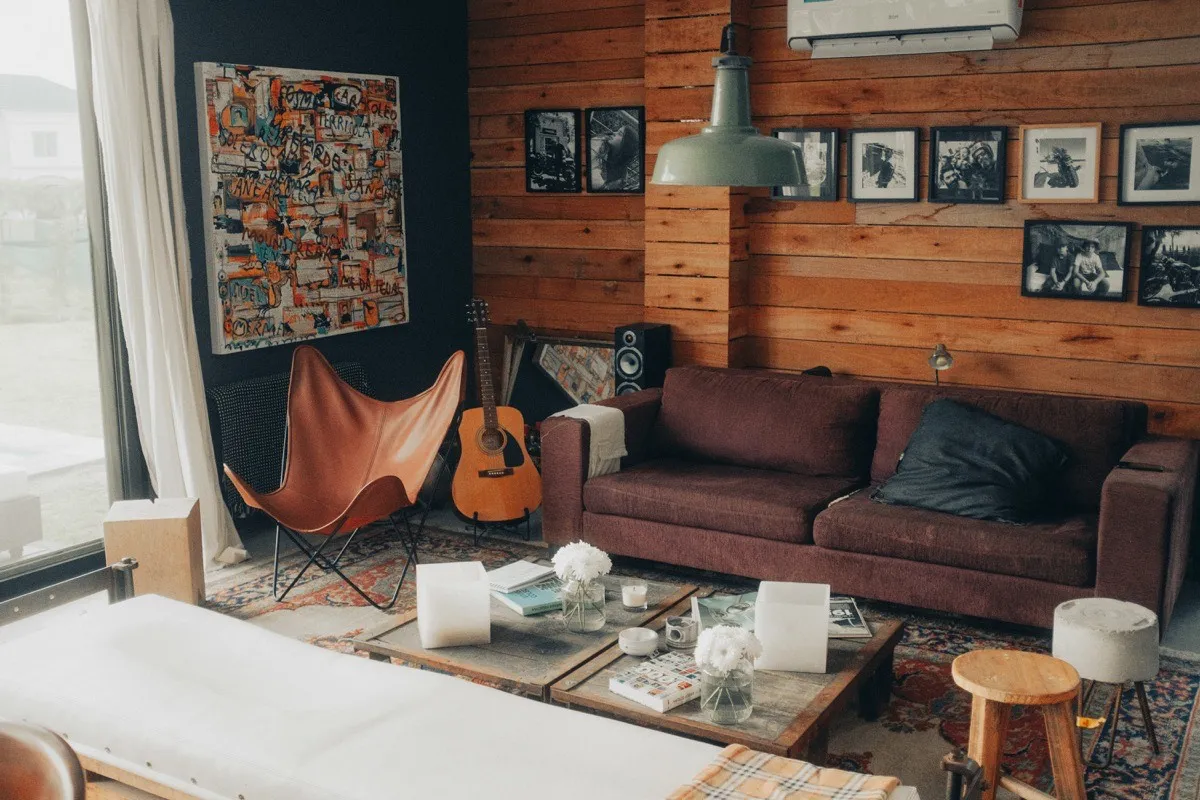
The dust, bacteria, allergens, and stains buried deep inside your sofa cannot be removed by regular vacuuming or a quick wipe-down. Steam upholstery cleaning uses the power of high-temperature steam to reach the deepest layers of your fabric, delivering genuine hygiene that surface-level methods simply cannot match.
If you live in Istanbul, your furniture faces a particularly demanding environment. Between the Bosphorus humidity, urban pollution, construction dust, and seasonal pollen, upholstery in this city accumulates contaminants faster than in most places you have lived before. This guide explains exactly what steam cleaning is, how it compares to dry cleaning, what the process looks like from start to finish, and what it costs in Istanbul in 2026.
What Is Steam Upholstery Cleaning?
Steam upholstery cleaning, technically known as hot water extraction, is a process where water is heated to approximately 150 degrees Celsius and above, then injected into the upholstery fabric under high pressure through a specialized nozzle. The superheated steam penetrates deep into the fabric fibers, dissolving dirt, breaking down stains, killing bacteria, and loosening allergens at a molecular level. Simultaneously, a powerful industrial-grade vacuum system extracts the dirty water, dissolved contaminants, and moisture, leaving the fabric nearly dry.
This is not the same thing as using a handheld steamer from a home appliance store. Consumer-grade steamers typically operate at 100 to 110 degrees Celsius and lack any vacuum extraction system. The water they push into your fabric stays there, creating a damp environment that can encourage mold growth rather than preventing it. Professional hot water extraction systems operate at significantly higher temperatures and pressures, and the integrated vacuum ensures that moisture and contaminants are removed together in a single pass.
The distinction matters. Professional steam cleaning does not just push dirt around or mask it. It dissolves contamination at its source and physically removes it from your furniture.
Steam Cleaning vs Dry Cleaning: A Detailed Comparison
When you start researching upholstery cleaning options in Istanbul, you will encounter two primary methods: steam cleaning (hot water extraction) and dry cleaning (foam or encapsulation). Each has its place, but their capabilities are fundamentally different.
Dry cleaning uses a low-moisture foam or chemical encapsulation solution that is applied to the fabric surface. The solution surrounds and traps dirt particles, which are then vacuumed away once the foam dries. The process uses minimal water, which means short drying times. However, its reach is limited to the surface of the fabric. It does not penetrate into the padding, it does not kill bacteria effectively, and it cannot address the deep-seated contamination that accumulates in Istanbul’s demanding climate.
Here is how the two methods compare across every factor that matters.
| Feature | Steam Cleaning (Hot Water Extraction) | Dry Cleaning (Foam/Encapsulation) |
|---|---|---|
| Cleaning depth | Deep — reaches padding and inner fibers | Surface only |
| Bacteria elimination | 99.9% at 150°C+ | Limited — no thermal action |
| Dust mite removal | Complete — kills mites and eggs | Partial — surface removal only |
| Allergen removal | Excellent — extracted from deep within | Moderate — surface allergens only |
| Stain removal | Highly effective for heavy stains | Light surface stains only |
| Chemical residue | None — water-based process | Possible foam or solvent residue |
| Odor elimination | Complete — kills odor-causing bacteria | Masks odor, does not eliminate source |
| Drying time | 4-6 hours (2-4 with professional extraction) | 30-60 minutes |
| Environmental impact | Minimal — uses water, not chemicals | Higher — relies on chemical solutions |
| Suitable fabrics | Cotton, linen, polyester, microfiber, most blends | Water-sensitive fabrics (silk, certain velvets) |
| Cost | Standard professional pricing | Similar pricing |
| Recommended for Istanbul | Yes — essential for humidity and pollution | Only when fabric cannot tolerate moisture |
The bottom line: For the vast majority of sofas in Istanbul, steam cleaning is the right method. The deep cleaning action is essential in a city where humidity, pollution, and dust create contamination levels far beyond what surface cleaning can address. Dry cleaning should be reserved for fabrics that explicitly cannot tolerate water-based treatment, and a professional technician will identify this before any work begins.
Seven Benefits of Steam Upholstery Cleaning
1. Eliminates 99.9% of Bacteria
At temperatures above 150 degrees Celsius, harmful bacteria including E. coli, Staphylococcus, and other pathogens are destroyed within seconds. No amount of surface wiping or foam application achieves this level of disinfection. For households with young children who spend time playing on the sofa, or for pet owners whose animals share the furniture, this thermal sterilization is not a luxury — it is a health necessity.
2. Leaves Zero Chemical Residue
The primary cleaning agent in steam cleaning is superheated water. There are no harsh detergents soaking into your fabric and no chemical residue left behind for your skin to contact. This makes steam-cleaned furniture genuinely safe for babies who crawl on cushions, toddlers who press their faces into sofa arms, and pets who lick fabric surfaces. The pre-treatment solutions used by professional services like Temizyo are plant-based and ecologically certified, adding another layer of safety.
3. Removes Allergens and Dust Mites Completely
Upholstery fabric is an ideal habitat for dust mites. These microscopic creatures thrive in the warmth and humidity trapped within sofa cushions, feeding on dead skin cells and producing allergen particles that trigger respiratory symptoms. Steam cleaning eliminates dust mites and their eggs through thermal action, then physically extracts them from the fabric via vacuum. If you or anyone in your household suffers from allergies or asthma, this is the single most effective intervention you can make for your indoor air quality.
4. Deep Stain Removal
Stains that have set into the fabric over weeks or months — tea, coffee, cooking oil, ink, wine — resist surface treatments. Steam cleaning works differently. The high-temperature water dissolves stain molecules at their source, breaking the bonds between the stain and the fabric fibers. The vacuum extraction then pulls the dissolved stain material out entirely. For detailed stain treatment guidance, our upholstery cleaning service page covers what types of stains respond best to professional treatment.
5. Extends Fabric Lifespan
Dirt and grit particles trapped between fabric fibers act like sandpaper with every use. Over time, this abrasion causes fading, pilling, and structural weakening of the textile. Steam cleaning removes these embedded particles gently but thoroughly, preserving the original texture and color of your upholstery. Regular professional steam cleaning can extend the useful life of your sofa by three to five years, protecting what is often a substantial investment.
6. True Odor Elimination
Odors from cooking, cigarette smoke, pet dander, and mildew are not sitting on the surface of your sofa. They are embedded deep within the fabric and padding, sustained by the bacteria and organic compounds that produce them. Steam cleaning destroys the bacteria causing the odor and extracts the organic material feeding it. The result is genuine elimination, not temporary masking. A natural freshening treatment applied as the final step leaves your furniture smelling clean without any artificial chemical scent.
7. Environmentally Responsible
Steam cleaning uses water as its primary cleaning agent, drastically reducing the volume of chemical detergents that enter the waste stream. Compared to traditional upholstery cleaning methods that rely on heavy foams and solvents, the environmental footprint is minimal. For environmentally conscious households, steam cleaning aligns with sustainable living without compromising on cleaning effectiveness.
The Step-by-Step Steam Cleaning Process
Understanding what happens during a professional steam cleaning appointment removes uncertainty and helps you prepare your home. Here is the full process as it unfolds.
Step 1: Fabric Inspection and Assessment
When the cleaning team arrives, the first task is identifying your upholstery fabric type. Polyester, velvet, linen, cotton, leather, and blended fabrics each require different temperature and pressure settings. The technician examines the fabric care label, tests a small inconspicuous area if needed, and assesses the overall level of soiling, staining, and wear. This inspection determines the exact machine settings and pre-treatment products to use.
Step 2: Pre-Treatment of Stains
Visible stains and heavily soiled areas receive a targeted application of an eco-certified stain removal solution matched to the fabric type. This pre-treatment breaks down grease, food residue, and organic compounds so the main steam extraction can work more effectively. For pet owners, an enzyme-based solution is used to neutralize urine, saliva, and oil compounds at a molecular level. The pre-treatment solution is allowed to dwell for five to ten minutes before the next step.
Step 3: Steam Extraction Cleaning
The professional machine is engaged. Superheated steam at over 150 degrees Celsius is systematically applied to the fabric through a specialized cleaning head. The technician works section by section across the entire piece of furniture, making multiple passes over each area. The steam penetrates deep into the fibers and padding, dissolving all accumulated dirt, bacteria, allergens, and stain residue. Simultaneously, the powerful vacuum system extracts the dirty water, dissolved contaminants, and excess moisture in real time. This dual action — injection and extraction — is what distinguishes professional steam cleaning from every other method.
Step 4: Drying and Moisture Management
Because the industrial vacuum removes the vast majority of moisture during the extraction phase, your upholstery is left in a nearly dry state immediately after cleaning. The technician checks moisture levels across different sections and advises on drying conditions specific to your apartment. Good airflow accelerates drying. In most Istanbul apartments, opening windows or running a fan is sufficient. In humid coastal neighborhoods, a dehumidifier may be recommended.
Step 5: Final Inspection and Handover
The team inspects every section of the cleaned furniture, evaluating stain removal results and fabric condition. Any areas requiring additional treatment receive a targeted follow-up. The technician explains expected drying times, shares maintenance recommendations tailored to your fabric type, and answers any questions. You can see and feel the difference immediately — brighter fabric, eliminated odors, and a noticeably refreshed texture.
Total time: For a standard 3+2+1 sofa set, the active cleaning process takes one to two hours. Drying takes an additional two to six hours depending on fabric type and ventilation.
Drying Times by Fabric Type
One of the most common questions about steam cleaning is how long the furniture takes to dry. The answer depends on the fabric. Here is a practical guide based on typical conditions in Istanbul apartments.
| Fabric Type | Typical Drying Time | Notes |
|---|---|---|
| Polyester / Microfiber | 2-3 hours | Fastest drying; synthetic fibers repel moisture |
| Cotton | 4-5 hours | Absorbs more water; good ventilation recommended |
| Linen | 4-6 hours | Natural fiber; moderate absorption |
| Velvet | 4-6 hours | Dense pile holds moisture; avoid sitting until fully dry |
| Cotton-Polyester Blend | 3-4 hours | Blends dry faster than pure cotton |
| Chenille | 5-6 hours | Thick, textured weave retains moisture longer |
| Leather (hybrid pieces) | 1-2 hours | Moisture sits on surface; wiped dry during cleaning |
Factors that affect drying time in Istanbul:
- Season. Summer months with open windows and natural warmth can cut drying times nearly in half. Winter months with central heating running also provide good drying conditions, though humidity tends to be higher indoors.
- Ventilation. An apartment with cross-ventilation dries faster than a single-aspect unit. Opening windows on opposite sides of the room creates airflow that accelerates evaporation.
- Neighborhood humidity. Coastal districts experience higher ambient humidity, which slows evaporation. Inland neighborhoods generally offer faster drying conditions.
- Dehumidifiers and fans. Running either of these in the room with your cleaned furniture can reduce drying times by 30 to 50 percent.
When to Choose Steam Cleaning vs Dry Cleaning
The choice between steam and dry cleaning is straightforward in most cases, but there are specific situations where each method is the better option.
Choose steam cleaning when:
- Your sofa has not been professionally cleaned in more than six months
- There are visible stains, discoloration, or embedded dirt
- You notice musty odors or staleness in the fabric
- Your household includes babies, young children, or pets
- Anyone in the household has allergies, asthma, or respiratory sensitivities
- You want genuine deep hygiene, not just surface refreshment
- Your fabric is cotton, linen, polyester, microfiber, or a standard blend
Choose dry cleaning when:
- The fabric is pure silk or a delicate silk blend that cannot tolerate moisture
- Certain specialty vintage velvets with specific care restrictions
- You need the furniture usable within one hour (though this sacrifices cleaning depth)
- The manufacturer care label explicitly states “dry clean only” with an X through the water symbol
In the vast majority of Istanbul households, steam cleaning is the appropriate choice. A professional technician will always verify fabric compatibility before proceeding, so you do not need to make this determination on your own.
2026 Steam Upholstery Cleaning Prices in Istanbul
Transparent pricing matters. Below are the current 2026 prices for professional steam upholstery cleaning on the European Side of Istanbul.
| Sofa Type | Price (2026) | Details |
|---|---|---|
| Standard Set (3+2+1) | ₺1,980 | Three-seater + two-seater + armchair; most popular |
| L-Shaped Sofa | ₺2,200 | All corner sofa configurations |
| Chesterfield Sofa | ₺2,750 | Specialized deep-button tufted treatment |
| Large L-Shaped Sofa | ₺3,300 | Over 3 meters in length |
| Single Armchair / Bergere | ₺550 | Per piece |
| Dining Chair | ₺120 | Per piece |
| Office Chair | ₺350 | Per piece |
What is included: All prices are fully inclusive. VAT (KDV) is included, there is no separate service charge, and there is no transportation fee. The price you see is the price you pay. You can receive an exact quote within minutes by sending a photo of your sofa via the Temizyo upholstery cleaning page.
Bundling tip: If you are planning a comprehensive home refresh, combining upholstery cleaning with professional carpet and rug cleaning delivers better overall results. Cleaning all textiles at once prevents allergens and dust from simply migrating from one surface to another.
Why Steam Cleaning Matters More in Istanbul
Istanbul is not an ordinary city for furniture maintenance. Several environmental factors specific to this city make professional steam cleaning more important here than in most other places.
Bosphorus Humidity and Coastal Moisture
Neighborhoods along the Bosphorus and Marmara coast experience indoor humidity levels that frequently exceed 65 percent during spring and autumn. In districts like Beşiktaş, where many expats and young professionals live in waterfront or near-waterfront apartments, this persistent moisture creates ideal conditions for dust mite colonies and mold spores to develop inside sofa cushions. You cannot see this growth on the surface, but you may notice a faint musty smell or an unexplained increase in allergy symptoms. Steam cleaning at 150 degrees Celsius eliminates both the mites and the mold, while the vacuum extraction removes the moisture that allowed them to thrive.
Urban Dust and Traffic Pollution
Istanbul consistently records some of the highest particulate matter levels among European cities. Fine particles from diesel exhaust, construction activity, and general urban dust enter apartments through windows, ventilation systems, and on clothing. These particles settle into upholstery fibers and accumulate over time. In family-heavy neighborhoods like Bahçelievler, where apartments sit close to the E-5 highway corridor, traffic-borne particulates noticeably affect sofa fabric within months. Surface vacuuming captures only what sits on top. Steam extraction reaches the particles embedded within the fibers and padding.
New Construction and Development Dust
Rapidly growing districts like Başakşehir, with their expanding residential developments and commercial infrastructure, generate significant construction dust. Ultra-fine silica and cement particles travel through the air and infiltrate even well-sealed apartments. Young families in Başakşehir’s modern housing complexes are especially aware of this, as the dust accumulates in soft furnishings where children spend time playing. Steam cleaning removes these abrasive particles from the fabric before they cause long-term damage to fibers, and the chemical-free nature of the process means no residue is left behind where babies and toddlers make contact with the upholstery.
Seasonal Pollen and Biological Allergens
Istanbul’s geographic position between two continents and multiple climate zones produces extended pollen seasons. Tree pollen in spring, grass pollen in early summer, and weed pollen in late summer coat every surface in the city, including your sofa. Combined with pet dander, human skin cells, and the organic matter that feeds dust mites, upholstered furniture in Istanbul becomes a concentrated allergen reservoir. Steam cleaning is the most effective method for breaking this cycle, removing allergens from their deepest point of accumulation.
Post-Cleaning Care Tips
Professional steam cleaning delivers excellent results. Maintaining those results between appointments extends the interval before your next cleaning is needed.
- Respect the drying period. Avoid sitting on the sofa for two to four hours after cleaning. Keep the room ventilated with open windows or a fan.
- Vacuum weekly. Use a soft brush upholstery attachment once per week to remove surface dust before it works deeper into the fabric.
- Address spills immediately. Blot any liquid spill with a clean, dry white cloth. Do not rub — rubbing pushes the liquid deeper and can damage fibers.
- Protect from direct sunlight. Prolonged UV exposure fades fabric color and weakens fibers over time. Use curtains or blinds during peak sun hours.
- Ventilate regularly. Opening windows for even fifteen to twenty minutes daily prevents moisture and odor buildup in your upholstery, which is especially important in humid Istanbul neighborhoods.
FAQ
Is steam cleaning safe for all types of sofa fabric?
Steam cleaning is safe for most common upholstery fabrics, including cotton, linen, polyester, microfiber, and velvet. Professional technicians always inspect the fabric and check the care label before starting. Temperature and pressure settings are adjusted to match each specific textile. Only certain delicate materials like pure silk or specialty vintage fabrics may require dry cleaning instead, and the technician will identify this during the initial assessment.
How long does a sofa take to dry after steam cleaning?
Most sofas dry fully within two to six hours after professional steam cleaning. Synthetic fabrics like polyester and microfiber dry fastest at two to three hours, while natural fabrics like cotton and linen may take four to six hours. Drying time depends on ventilation and humidity in your apartment. Running a fan, opening windows, or using a dehumidifier can reduce drying time by up to 50 percent.
How much does steam upholstery cleaning cost in Istanbul in 2026?
Professional steam upholstery cleaning in Istanbul starts at ₺1,980 for a standard 3+2+1 sofa set in 2026. L-shaped sofas cost ₺2,200, and Chesterfield sofas cost ₺2,750. All prices include VAT and service charges with no hidden fees. Single armchairs are ₺550 each, and dining chairs start at ₺120 per piece. You can get an exact quote by sending a photo through our service page.
Can steam cleaning remove pet stains and odors from a sofa?
Yes, professional steam cleaning effectively eliminates both pet stains and odors. Enzyme-based pre-treatment solutions break down the organic compounds in pet urine, saliva, and body oils at a molecular level before the main cleaning begins. The high-temperature steam then destroys odor-causing bacteria, and the vacuum extraction removes all dissolved contaminants from deep within the fabric. The result is complete stain and odor elimination, not temporary masking.
How often should I have my upholstery steam cleaned in Istanbul?
Most Istanbul households should schedule professional steam cleaning every eight to twelve months. Families with young children or pets should clean every four to six months due to higher usage and contamination. If you live in a high-humidity coastal neighborhood like Beşiktaş or near a major traffic corridor like the E-5 in Bahçelievler, cleaning every six to eight months is advisable. Allergy sufferers benefit from cleaning two to three times per year.
This guide was prepared by the Temizyo editorial team as of February 2026. For detailed information about steam upholstery cleaning and to book an appointment, visit our upholstery cleaning page.
Need Professional Help?
Temizyo's expert team is ready to help. Get a free quote in 2 minutes via WhatsApp.
Ferhat Anaç is the founder of Temizyo, a professional cleaning service platform serving Istanbul's European Side. With hands-on experience across upholstery, carpet, and yacht cleaning, he leads a team delivering eco-friendly, detail-oriented cleaning to thousands of homes and businesses.