When you buy a sofa, the color and shape get all the attention. But the single most important factor determining how your furniture ages, how it resists stains, and what cleaning it requires is the fabric. The wrong cleaning approach can ruin an expensive sofa in a single attempt. The right care keeps it looking new for a decade or more.
This guide covers the most common upholstery fabric types we encounter in Istanbul homes. For each, we explain its characteristics, cleaning dos and don’ts, when professional care is needed, and how Istanbul’s unique climate affects your specific fabric.
Understanding Fabric Care Labels
Before attempting any cleaning, check the care label on your sofa — usually underneath the frame or behind the cushions.
- W (Water): Water-based cleaning is safe, including steam cleaning.
- S (Solvent): Only solvent-based (dry) cleaning. Water will damage this fabric.
- WS: Both water-based and solvent-based cleaning are acceptable.
- X: Vacuuming only. No liquids of any kind.
Knowing this code before cleaning at home prevents accidental damage. Professional upholstery cleaning technicians always verify the fabric type and care code before selecting a method.
1. Velvet (Kadife)
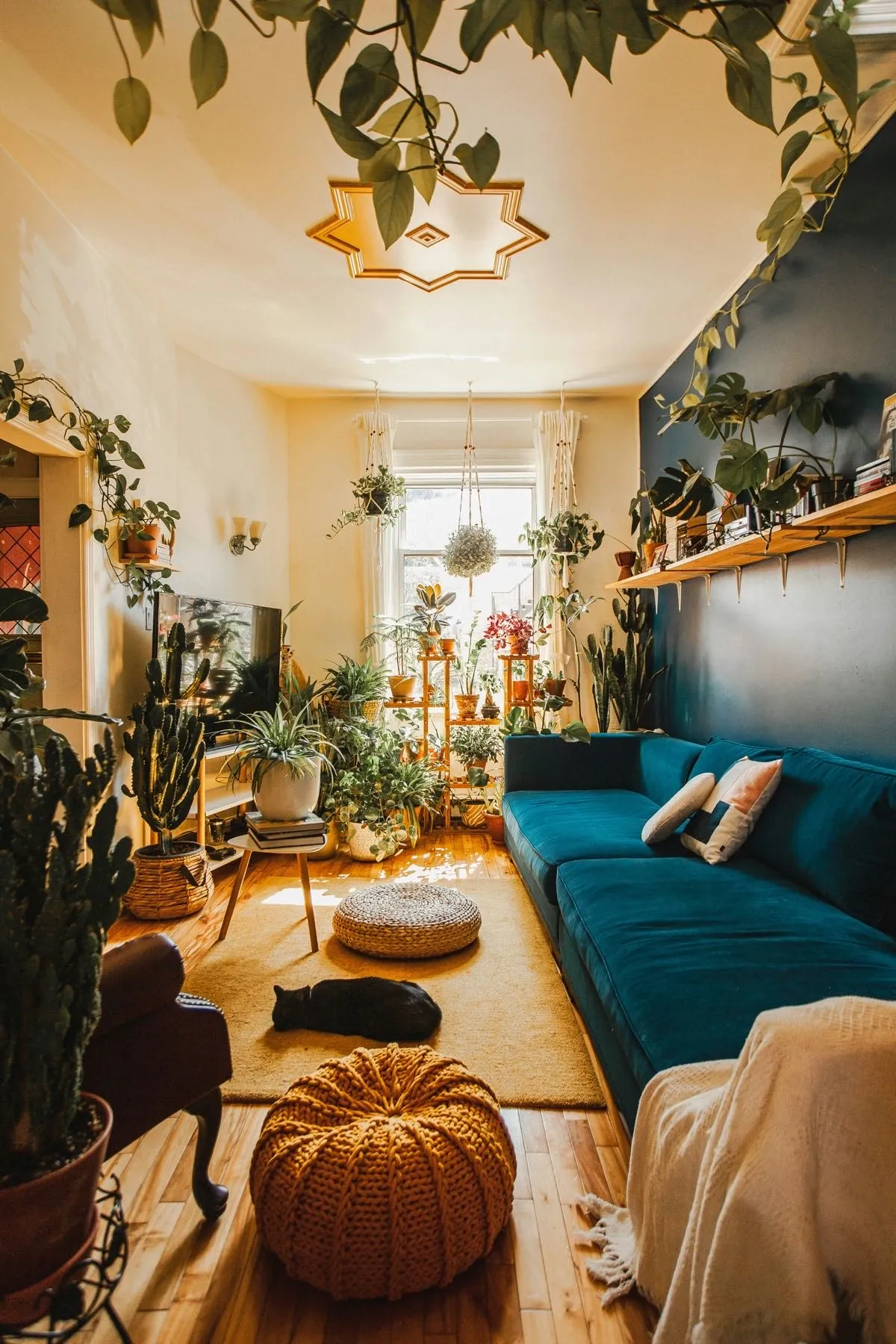
Velvet dominates Istanbul’s design-conscious neighborhoods. Walk into apartments in Nişantaşı, Bebek, or Beşiktaş and velvet sofas are everywhere — their luxurious sheen and depth of color are irresistible for interiors.
Characteristics: Dense pile of short, closely packed fibers that create a soft touch and color-shifting effect under light. Modern upholstery velvet is typically polyester, cotton, or viscose-based.
Do: Vacuum weekly in the direction of the pile with a soft brush attachment. Blot spills immediately by pressing straight down — never rub. Professional cleaning should use low-pressure steam with a specialized velvet head.
Don’t: Brush against the pile direction (causes permanent crush marks). Avoid excessive water (deforms the base fabric). Never use harsh chemicals or full-pressure steam.
Istanbul tip: In Beşiktaş, where Bosphorus humidity regularly exceeds 60 percent, velvet’s dense pile absorbs moisture and creates conditions where dust mites thrive invisibly. A faint musty scent when you sit down is a warning sign. Professional low-pressure steam cleaning every eight to ten months is essential for velvet in coastal neighborhoods.
Professional vs home care: Velvet has the largest gap between professional and home care results. Consumer-grade steamers cause crush marks and waterlines that are permanent. Professional calibrated extraction with velvet-specific attachments is not optional for this fabric — it is necessary.
2. Chenille
Chenille gets its name from the French word for caterpillar, and the resemblance is clear in its fuzzy, textured surface. It is one of the most comfortable upholstery fabrics, making it popular for family living rooms.
Characteristics: Woven from yarn with short fibers protruding at right angles, creating a caterpillar-like texture. Typically polyester, acrylic, or cotton blend. Medium to heavy weight with a plush, warm feel.
Do: Vacuum regularly with a soft brush attachment. Blot fresh spills with a damp microfiber cloth, working from outside inward. Professional steam cleaning at low to medium pressure is safe and effective.
Don’t: Scratch or scrub with stiff brushes — chenille loops snag easily and cannot be repaired. Avoid high-temperature cleaning (causes shrinkage). Never leave chenille damp for extended periods.
Istanbul tip: Chenille’s textured weave traps fine particulates efficiently. In Şişli near heavy traffic corridors, chenille accumulates urban dust faster than smoother fabrics. The dust works deep into loops where regular vacuuming cannot reach, requiring professional extraction every eight to ten months.
3. Microfiber
Microfiber is the practical workhorse of upholstery. It dominates family apartments across Istanbul’s newer residential districts for good reason — it handles daily life better than almost any other material.
Characteristics: Extremely fine polyester or nylon fibers woven tightly for a suede-like feel. The fibers are thinner than silk, making it naturally stain-resistant because liquids cannot penetrate quickly.
Do: Vacuum weekly with any standard attachment. For stains, apply rubbing alcohol to a clean white cloth and blot. Brush gently with a soft brush after drying to restore the nap. Professional steam cleaning at standard pressure is highly effective.
Don’t: Use colored cloths for stain treatment (causes dye transfer). Avoid concentrated water application (leaves ring marks). Do not skip post-cleaning brushing (area dries stiff).
Istanbul tip: Microfiber is arguably the best fabric for Istanbul apartments. Its tight weave resists construction dust from developing areas like Beylikdüzü, and stain resistance makes it family-practical. During dry winter months, microfiber can build static that attracts dust — a light anti-static spray every few weeks helps.
4. Leather and Faux Leather
Leather represents a long-term investment found in upscale apartments across Nişantaşı, Sarıyer, and Beşiktaş. Faux leather (PU leather) offers a similar look at a lower price point.
Genuine leather characteristics: Natural animal hide that develops a patina over time. Lasts 15 to 20 years with proper care. Available in aniline (most natural), semi-aniline (moderate protection), and pigmented (most durable) finishes.
Do: Dust weekly with a dry soft cloth. Clean monthly with a pH-neutral leather cleaner. Apply leather conditioner every three to six months to prevent drying and cracking. Professional leather cleaning uses specialized solutions, never water-based steam.
Don’t: Use water-based cleaning or steam on leather — water strips natural oils, causing drying and cracking. Never apply household cleaners, bleach, or ammonia. Avoid prolonged direct sunlight.
Faux leather note: Clean with a damp cloth and mild soap. Avoid solvents, alcohol, and acetone completely — they dissolve the polyurethane coating. Lifespan is typically five to seven years before peeling begins.
Istanbul tip: In Bakırköy, Ataköy, and Florya, salt-laden sea air accelerates leather drying. Increase conditioning to every two to three months rather than the standard interval. The salt draws moisture from leather faster than in inland neighborhoods, and once cracking starts, it cannot be fully reversed. During humid periods, leather in poorly ventilated rooms can develop surface mildew — ensure air circulation and consider a dehumidifier.
5. Linen and Cotton
Natural fiber upholstery appeals to those who favor organic textures and minimalist interiors. Popular in design-forward homes in Beşiktaş, Cihangir, and seaside apartments in Bakırköy.
Characteristics: Linen (from flax) has a naturally textured, cool touch with excellent breathability. Cotton is soft and versatile. Both wrinkle easily and are more stain-susceptible than synthetics.
Do: Vacuum weekly with a soft brush. Blot stains immediately with cold water and a white cloth — cold water is critical. Professional cleaning should use low-temperature, low-pressure steam. Rotate cushions every two weeks.
Don’t: Use hot water on stains — heat permanently bonds organic stains to natural fibers. Never machine-dry removable covers (causes severe shrinkage). Avoid heavy chemical treatments (weakens fibers over time).
Istanbul tip: Natural fabrics face a dual challenge in Istanbul. Bosphorus humidity promotes moisture absorption, while intense summer sunlight causes fading. If your linen sofa faces a south-facing window in Beşiktaş, color changes can appear within a single season. Use curtains or UV-filtering film for protection. In coastal apartments, natural fibers can develop a damp feel during autumn — good ventilation prevents mold.
6. Polyester Blends
Polyester blends make up the majority of sofas sold in Istanbul, offering the best balance of durability, affordability, and easy care.
Characteristics: High tensile strength, excellent stretch and shrink resistance, strong color retention. Usually blended with cotton or viscose for better texture and breathability.
Do: Vacuum regularly — no special technique needed. Clean stains with warm water and mild detergent. Professional steam cleaning at standard settings is highly effective. Polyester tolerates nearly all professional cleaning methods.
Don’t: Use bleach (irreversible color damage). Avoid high-temperature ironing (polyester can melt). Keep away from direct heat sources like radiators.
Istanbul tip: Polyester’s main drawback is breathability. During hot, humid summers in apartments without air conditioning, it can feel warm and sticky. A cotton throw for summer months solves this. For cleaning purposes, polyester is the most straightforward fabric in Istanbul’s climate — it handles humidity without mold risk and resists pollution-based staining.
7. Boucle and Textured Weaves
Boucle has surged in popularity, driven by design trends favoring textured, sculptural furniture. Now common in showrooms along Nişantaşı and curated apartments in Karaköy and Galata.
Characteristics: Woven from looped yarn creating a distinctive bumpy, textured surface. Made from wool, cotton, polyester, or blends. Visually striking but challenging to maintain.
Do: Vacuum gently with low suction and a smooth nozzle (no rotating brush). Blot stains carefully with a damp cloth, avoiding lateral movement. Professional low-pressure extraction is the safest approach. Consider fabric protector after professional cleaning.
Don’t: Use rotating brush vacuum attachments (catches and pulls loops permanently). Never pick at pills or loose loops. Avoid high-pressure steam (distorts loop structure). Do not roll lint rollers aggressively.
Istanbul tip: Boucle’s looped texture is exceptionally efficient at trapping fine particles, making it highly susceptible to Istanbul’s ambient dust. Pet owners should be cautious — cat claws and looped yarn are a problematic combination. Professional care is strongly recommended over home attempts due to the high risk of snagging or distortion with consumer equipment.
Fabric Comparison Table
| Fabric | Durability | Stain Resistance | Cleaning Difficulty | Pet-Friendly | Price Range |
|---|---|---|---|---|---|
| Velvet | Medium | Low | Medium-Hard | Low | Medium-High |
| Chenille | Medium-High | Medium | Medium | Low-Medium | Medium |
| Microfiber | High | High | Easy | High | Low-Medium |
| Leather | Very High | High | Medium | Medium | High |
| Faux Leather | Medium | High | Easy | Medium-High | Low-Medium |
| Linen/Cotton | Low-Medium | Low | Hard | Low | Medium-High |
| Polyester Blend | High | Medium-High | Easy | High | Low |
| Boucle | Medium | Low-Medium | Hard | Very Low | Medium-High |
For families with children and pets: prioritize microfiber and polyester blends. For design-forward homes prepared for higher maintenance: velvet, linen, and boucle deliver the most visual and tactile impact.
When to Call a Professional
Regardless of fabric type, certain situations require professional equipment. Deep-set stains older than 24 hours resist home remedies. Persistent odors from pets, cooking, or mildew indicate contamination deep inside the padding. Allergy symptoms that worsen at home point to dust mites and dander embedded in fabric layers that surface cleaning cannot reach.
Even if your sofa looks fine, scheduling professional upholstery cleaning once or twice per year removes the invisible buildup of Istanbul’s pollution, construction dust, and biological allergens. For homes with both upholstered furniture and rugs, combining upholstery care with carpet cleaning prevents allergens from migrating between textile surfaces.
FAQ
How do I identify what fabric my sofa is made of?
Check the care label underneath the sofa frame or behind cushion covers. It lists the fabric composition and cleaning code. If the label is missing, contact the retailer for specifications. Professional technicians also inspect and identify fabric before any cleaning begins — you can send a close-up photo via WhatsApp for a preliminary assessment.
Which upholstery fabric is most durable for families with children and pets?
Microfiber and polyester blends are the most practical choices. Microfiber is stain-resistant, easy to clean, hypoallergenic, and handles daily wear without showing age. Genuine leather is extremely durable but vulnerable to pet claw scratches and requires consistent conditioning. Avoid velvet, linen, and boucle in high-traffic family settings — all demand higher maintenance and show wear more readily.
Can steam cleaning be used on velvet upholstery?
Yes, but only with specialized technique. Standard high-pressure steam flattens velvet’s pile and causes permanent crush marks. Professional velvet cleaning uses low-pressure steam with a dedicated velvet head attachment that lifts the pile during extraction. Home steam cleaners lack the pressure control needed for safe velvet treatment, so professional cleaning is strongly recommended.
How does Istanbul’s climate affect different upholstery fabrics?
Istanbul’s sea humidity, urban pollution, and construction dust create challenges that vary by fabric. Velvet in coastal Beşiktaş absorbs moisture and harbors invisible dust mites. Leather in Bakırköy dries faster due to salt-laden sea air, requiring more frequent conditioning. Linen and cotton are prone to dampness and mold in poorly ventilated apartments. Microfiber and polyester handle Istanbul’s climate best, resisting both moisture and particulate accumulation more effectively than natural fibers.
How often should I have my upholstery professionally cleaned based on fabric type?
Microfiber and polyester: every 10 to 12 months. Velvet and chenille: every 8 to 10 months due to dust-trapping tendencies. Linen and cotton: every 10 to 12 months, more often in humid coastal apartments. Leather: professional conditioning every 6 to 12 months, more frequent in seaside districts. Boucle: every 8 to 10 months. Households with children, pets, or allergy sufferers should reduce all intervals by about one-third.
This guide was prepared by the Temizyo editorial team as of February 2026. For fabric-specific cleaning advice or to get a quote, visit our upholstery cleaning page or send a photo via WhatsApp for a quick assessment.
Need Professional Help?
Temizyo's expert team is ready to help. Get a free quote in 2 minutes via WhatsApp.
Ferhat Anaç is the founder of Temizyo, a professional cleaning service platform serving Istanbul's European Side. With hands-on experience across upholstery, carpet, and yacht cleaning, he leads a team delivering eco-friendly, detail-oriented cleaning to thousands of homes and businesses.