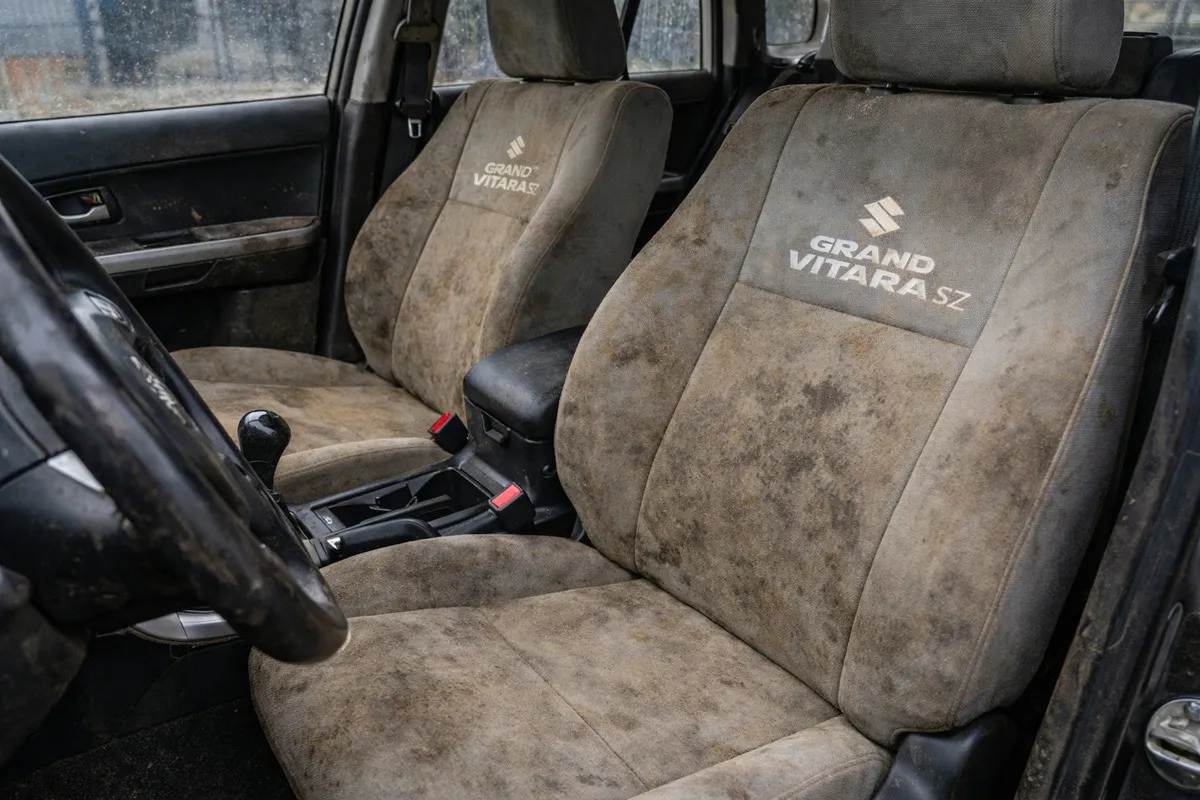
Car Seat Cleaning in Istanbul: From Stained to Showroom (2026 Guide)
Your car seats take more punishment than any other surface you sit on. In a city like Istanbul, where the average driver spends between one and three hours a day in traffic, seats absorb everything: sweat, coffee spills, food crumbs, pet hair, dust from construction zones, and invisible particulate matter from some of the densest traffic corridors in Europe. An exterior car wash does nothing for the interior. The grime that matters is the grime you are sitting on.
This guide is written for English-speaking residents, expats, and international car owners living on Istanbul’s European Side. It covers why car seats deteriorate so fast here, how fabric and leather seats require completely different cleaning approaches, how to handle the most common stain types, when to call a professional versus doing it yourself, and what professional cleaning costs in 2026. For a broader look at the full car interior cleaning process including dashboards, headliners, and boot areas, see our complete car interior cleaning guide.
Why Car Seats Get Dirty So Fast in Istanbul
If you have driven in other major cities before moving to Istanbul, you have probably noticed that your car interior deteriorates faster here. That is not your imagination. Istanbul’s combination of traffic conditions, climate, geography, and daily habits creates an environment that is uniquely aggressive on car upholstery.
Traffic Congestion and Time Behind the Wheel
Istanbul consistently ranks among the most congested cities in the world. Commuters on the E-5 motorway through Beylikdüzü, Avcılar, and Bakırköy routinely spend 60 to 90 minutes each way in stop-and-go traffic. That is two to three hours per day of continuous body contact with your seats. Sweat, body oils, and skin cells accumulate steadily. The cabin air recirculation system pulls in exhaust particulates and brake dust, which settle into seat fabric over time. More hours in the car means faster degradation of your upholstery.
Coastal Humidity and Salt Air
Districts along the Marmara coastline, especially Bakırköy, Florya, and Ataköy, expose vehicles to salt-laden sea air. Moisture penetrates window seals and door gaskets, creating conditions inside the cabin where mildew can take hold in seat foam and fabric. This is why car owners near the Ataköy Marina or along the Bakırköy waterfront often notice a persistent musty smell that air fresheners cannot resolve. The salt air also accelerates the drying and cracking of leather seats.
Open Parking and Sun Exposure
Beylikdüzü’s large shopping centres, including Marmara Park AVM and Migros AVM, have expansive open-air parking lots where vehicles sit under direct sunlight for hours. UV radiation does two things to car seats: it bakes stains into fabric, making them permanent, and it dries out leather, causing it to stiffen and crack. In summer, interior temperatures in a parked car can exceed 70 degrees Celsius. Every hour of direct sun exposure is doing measurable damage to your upholstery.
Urban Pollution and Construction Dust
Dense traffic corridors through Beşiktaş and Şişli deliver a constant supply of diesel soot and particulate matter. In Beşiktaş, where narrow one-way streets concentrate vehicle emissions between tall buildings, the pollution load inside a car with partially open windows can exceed outdoor levels. Additionally, Istanbul’s perpetual construction activity generates fine calcium-rich dust that embeds itself in fabric weaves and is almost impossible to remove with a household vacuum.
Everyday Life Inside the Car
Beyond environmental factors, your daily habits add up. Morning coffee in the cup holder that inevitably spills during a sudden brake. Children eating snacks and dropping crumbs into every crevice. Pets leaving hair and dander on the back seat after a trip to the veterinary clinic. Getting in and out of the car with dusty or muddy shoes, particularly during Istanbul’s rainy autumn and winter months. Each of these individually is minor. Collectively, over weeks and months, they transform your car seats from clean to visibly soiled.
Fabric vs Leather Seats: Completely Different Cleaning Approaches
The single most important thing to understand about car seat cleaning is that fabric and leather require entirely different methods. Using the wrong technique on the wrong material causes permanent damage.
Fabric (Textile) Seats
The majority of cars in Istanbul have fabric seats. Fabric is comfortable and breathable, but it absorbs liquids, traps odours, and holds dirt deep within its weave.
Professional cleaning method: Hot steam extraction at approximately 150 degrees Celsius. Pressurised steam penetrates deep into the fabric fibres, dissolving embedded dirt, killing bacteria, and neutralising odour at the source. A high-powered vacuum simultaneously extracts the dissolved contaminants along with the moisture, leaving the seat almost dry.
Common problems: Coffee and tea stains, sweat marks and yellowing on headrests, pet hair woven into the fabric, food residue in seat crevices, cigarette odour absorbed into the padding, and ground-in dust from Istanbul’s polluted air.
What to avoid: Over-wetting the fabric without adequate extraction. This is the primary risk of DIY cleaning. Moisture left in the seat foam promotes mould growth, which creates a worse problem than the original dirt.
Leather Seats
Leather seats resist surface stains more effectively than fabric, but they are far less forgiving when neglected. Leather is a natural material that requires moisture, conditioning, and protection from UV light.
Professional cleaning method: A pH-neutral leather cleaner is applied and worked into the surface with a soft brush to open pores and lift embedded grime. The surface is wiped clean, then a conditioning cream is applied to restore suppleness. Finally, a UV protectant layer is added to slow sun damage.
Common problems: Drying and cracking from sun exposure (especially on the driver’s left armrest and rear parcel shelf), colour fading from UV light, blue dye transfer from dark jeans onto light-coloured leather, sunscreen and hand cream residue, and scratch marks from pet claws.
What to never do: Apply steam, water, or any general-purpose household cleaner to leather seats. Water disrupts leather’s natural structure, causing it to stiffen and crack. Bleach, alcohol, and abrasive sponges cause irreversible discolouration.
Direct Comparison
| Factor | Fabric Seats | Leather Seats |
|---|---|---|
| Cleaning Method | Hot steam extraction (150 C) | pH-neutral cleaner + conditioning |
| Stain Resistance | Low — absorbs quickly | Higher — surface repels initially |
| Common Issues | Embedded dirt, odour, pet hair | Cracking, fading, dye transfer |
| Drying Time | 2—4 hours after cleaning | Minimal — wipe and condition |
| Conditioning Required | No | Yes — every 3 months |
| DIY Risk | Mould from over-wetting | Cracking from wrong products |
| Recommended Frequency | Every 4—6 months | Deep clean every 6 months, condition every 3 |
Common Car Seat Stains and How to Handle Them
Istanbul driving life produces a predictable set of stain types. Knowing what you are dealing with helps you respond correctly, whether you act immediately or call a professional.
Coffee and Tea Stains
The most common car seat stain in Istanbul. Morning commutes on the E-5 and sudden braking are a reliable recipe for spilled drinks.
- Immediate response: Blot with a clean paper towel or cloth. Press firmly to absorb liquid. Never rub — rubbing pushes the stain deeper into the fabric.
- On fabric: Cold water with a tiny amount of dish soap on a microfibre cloth. Blot, do not scrub.
- On leather: Wipe gently with a damp cloth, then dry immediately.
- Old or set-in stain: Requires professional enzymatic treatment. Home remedies will not dissolve a baked-in coffee stain.
Food and Grease Stains
From the inevitable kebab wrapper to the fast-food bag balanced on the passenger seat.
- Immediate response: Remove any solid residue with a plastic spatula or card. Blot liquid with paper towels.
- On fabric: Sprinkle cornstarch or baking soda on the area, wait 15 minutes to absorb the oil, then vacuum.
- On leather: Wipe with a dry microfibre cloth. If residue remains, use a dedicated leather cleaner.
Pet Hair and Odour
Anyone who has driven their dog to the Beylikdüzü Yaşam Vadisi park or a veterinary clinic in Bakırköy knows how quickly the back seat becomes a fur-covered zone.
- Quick removal: Put on a damp rubber glove and run your hand across the seat. The hair clings to the rubber.
- Deeper cleaning: Professional vacuuming with commercial-grade equipment, followed by steam extraction to neutralise odour embedded in the fabric.
- Prevention: Use a waterproof pet seat cover. It is the single most effective investment for pet-owning drivers.
Child-Related Stains
Baby food, juice boxes, crayons, biscuit crumbs, and the mysterious sticky residue that appears without explanation.
- Immediate response: Scrape off solid matter with a plastic edge. Blot any liquid.
- On fabric: Warm water with a mild detergent on a microfibre cloth. Act fast — crayon and marker stains set quickly in fabric.
- Professional note: Child-related stains often involve sugary liquids that become invisible when dry but attract dirt over time, creating dark patches. If you have young children, professional cleaning every four months is advisable.
Cigarette Odour
Cigarette smoke is not a surface stain. The odour molecules embed themselves in fabric fibres, seat foam, headliner material, and ventilation ducting.
- Reality check: No amount of air freshener, baking soda, or vinegar will permanently remove cigarette odour from a car interior. These methods mask the smell temporarily.
- Effective solution: Professional ozone treatment. An ozone generator placed inside the sealed cabin breaks down odour molecules at the chemical level, achieving 90 to 95 percent elimination in a single session.
Car Seat Cleaning Prices in Istanbul (2026)
Current pricing for professional car seat and interior cleaning across Istanbul’s European Side:
| Service | Price (2026) |
|---|---|
| Sedan — Full Interior Clean (Seats Included) | ₺2,750 |
| SUV / Large Vehicle — Full Interior Clean | ₺3,300 |
| Seat Cleaning Only (Fabric) | From ₺1,650 |
| Seat Cleaning Only (Leather — Clean + Condition) | From ₺1,850 |
| Ozone Odour Treatment | ₺550 |
| Child Seat Area Deep Clean (Add-On) | ₺350 |
All prices include VAT. There are no hidden service fees or transportation charges. To receive an exact quote for your vehicle, send a photograph of your car interior via WhatsApp and you will have a confirmed price within minutes. Full service details are on our car interior cleaning page.
Price context for expats: Comparable professional car interior cleaning in London costs 200 to 350 British pounds, and in cities like Munich or Amsterdam, 250 to 400 euros. Istanbul pricing is roughly one-third of Western European rates for equivalent professional-grade equipment and results.
Professional Cleaning vs DIY: An Honest Comparison
Maintaining your seats between professional appointments is smart and recommended. But it is important to understand the limits of what you can achieve at home versus what professional equipment delivers.
| Criterion | Professional Cleaning | DIY Cleaning |
|---|---|---|
| Cleaning Depth | Deep into fabric fibres and foam padding | Surface only |
| Stain Removal | Old, set-in, and heavy stains | Fresh, light stains only |
| Odour Elimination | Ozone — permanent molecular destruction | Air fresheners — temporary masking |
| Bacteria Kill Rate | 99.9 percent | Insufficient without commercial agents |
| Leather Care | Professional conditioners and UV protectants | High risk of damage from wrong products |
| Drying Control | 2—4 hours, controlled extraction | Variable, mould risk from over-wetting |
| Equipment | Industrial steam extractors, commercial vacuums | Household vacuum, spray bottles, cloths |
| Result | Showroom condition | Mild improvement |
| Time Investment | 2—3 hours (drop-off and collection) | Half a day of your own labour |
| Cost | From ₺2,750 | ₺300—500 in products plus your time |
Our recommendation: Schedule professional car seat cleaning once or twice a year, and maintain between sessions with the weekly habits described in the maintenance section below.
When to Get Professional Car Seat Cleaning
Certain situations call for professional intervention regardless of your regular cleaning schedule:
- Before selling your car. A clean interior adds 15 to 20 percent to resale value. Buyers in Istanbul’s second-hand market pay close attention to seat condition.
- After more than 12 months without cleaning. Accumulated dirt in the seat fabric has reached a depth that household tools cannot address.
- Persistent odour you cannot identify. Mould in the seat foam, food residue in crevices, or bacteria buildup in fabric all produce smells that surface cleaning will not resolve.
- Cigarette smoke exposure. Whether you smoke or purchased a car from a smoker, ozone treatment is the only effective solution.
- Before installing a baby seat. Ensuring the surface beneath a child’s seat is hygienically clean before your baby sits on it.
- After water damage or flooding. Istanbul’s autumn storms can cause water ingress through window seals or sunroof drains. Wet seat foam develops mould within 48 hours if not professionally dried.
- After transporting pets. Hair, dander, and odour accumulate in a single trip and worsen with each subsequent drive.
Istanbul District-Specific Notes
Where you live and park in Istanbul directly affects how quickly your car seats deteriorate and what specific issues you are likely to encounter.
Beylikdüzü: Sun Damage and Construction Dust
Beylikdüzü’s rapid residential expansion means ongoing construction across the district, generating fine particulate dust that finds its way into every parked car. The large open-air car parks around Marmara Park AVM, Beylikdüzü Migros AVM, and Beylikdüzü Yaşam Vadisi leave vehicles exposed to direct sunlight for extended periods. This combination of construction dust baking into fabric under intense UV exposure is the signature problem for Beylikdüzü car owners. Fabric seats develop a persistent grey tinge, and leather seats dry out and crack prematurely. Professional cleaning every four months is recommended for vehicles regularly parked outdoors in Beylikdüzü.
Bakırköy: Coastal Humidity and Mildew Risk
Bakırköy’s position along the Marmara coastline, particularly the waterfront stretch from Ataköy through Florya and the area around Ataköy Marina, exposes parked vehicles to salt-laden sea air. This marine moisture penetrates cabin seals and creates ideal conditions for mildew growth inside seat foam and fabric. The result is that distinctive musty odour that no air freshener can resolve. Ozone treatment is especially popular among our Bakırköy clients. If your vehicle is regularly parked near the waterfront, we recommend adding ozone treatment to every professional cleaning session as a preventive measure.
Beşiktaş: Pollution Load and Narrow Streets
Beşiktaş presents a different challenge. The narrow streets through Beşiktaş centre, Ortaköy, and surrounding neighbourhoods concentrate vehicle emissions between buildings, creating higher-than-average pollution exposure for parked cars. Diesel soot and nitrogen oxide residue settle into light-coloured seat fabric and cause visible discolouration faster than in other districts. Limited parking options mean vehicles are often left with windows partially cracked for ventilation, which allows more pollutants into the cabin. Regular seat cleaning is particularly important for Beşiktaş residents who park on the street.
Temizyo provides collection and delivery service across all European Side districts. Your vehicle is picked up from your address, professionally cleaned, and returned the same day. Book through our car interior cleaning page or via WhatsApp.
Maintenance Tips Between Professional Cleans
Professional cleaning delivers results that last for months, but simple weekly habits extend those results significantly.
Vacuum your seats monthly. A handheld car vacuum removes surface dust, crumbs, and hair before they work their way deeper into the fabric. Pay attention to seat crevices and the gap between the seat and centre console.
Use seat covers on fabric seats. Washable seat covers are the single most cost-effective way to protect light-coloured fabric seats. Remove and machine-wash them monthly.
Use a windscreen sun shade. A front windscreen shade reduces interior temperatures by up to 20 degrees Celsius, slowing UV damage to leather and preventing heat from baking stains into fabric. This is essential for anyone parking in Beylikdüzü’s open lots.
Limit eating in the car. Every meal inside the car is a future stain. If you commute long hours, keep food consumption to sealed containers and avoid sauces and hot beverages while the car is in motion.
Use a pet cover for the back seat. A waterproof back-seat cover takes two minutes to install and saves you from embedded pet hair and dander that otherwise requires professional extraction.
Blot spills immediately. The difference between a stain that cleans easily and one that requires professional treatment is almost always the response time. Keep a small pack of paper towels or microfibre cloths in the glove box.
Condition leather seats quarterly. Apply a quality leather conditioner every three months to maintain suppleness and prevent cracking. This is especially important during Istanbul’s hot, dry summer months.
For more on keeping your overall car interior in top condition, including dashboards, headliners, and floor areas, see our car interior cleaning guide. And if you are also looking for tips on keeping your home furniture clean as an expat, our upholstery cleaning guide for Istanbul expats covers everything from sofa care to choosing the right service.
Frequently Asked Questions
How much does car seat cleaning cost in Istanbul in 2026?
Professional car seat cleaning in Istanbul starts at 1,650 TL for fabric seat-only cleaning in 2026. A full interior clean including all seats costs 2,750 TL for sedans and 3,300 TL for SUVs. Leather seat cleaning with conditioning starts from 1,850 TL. All prices include VAT with no hidden fees. Send a photo of your car interior via WhatsApp for an exact quote within minutes.
How long does professional car seat cleaning take?
Professional car seat cleaning takes one to two hours for seats only, or two to three hours when combined with a full interior clean. SUVs require an additional hour due to larger cabin area. Fabric seats need two to four hours of drying time after steam extraction. High-powered vacuum extraction means seats are returned nearly dry, and the vehicle is usable the same day.
Is steam cleaning safe for all car seat types?
Steam cleaning is safe and highly effective for fabric and textile car seats. However, steam must never be applied to leather seats, as the heat and moisture cause the leather to dry out, stiffen, and crack permanently. Professional technicians assess seat material before starting and apply the correct protocol for each type. Mixed interiors receive different treatments for fabric and leather sections.
Can cigarette smell be completely removed from car seats?
Ozone treatment eliminates 90 to 95 percent of cigarette odour from car interiors in a single session. The ozone generator breaks down odour molecules at the chemical level rather than masking them. For heavily smoked-in vehicles, a combined deep clean and ozone treatment may be repeated once. Air fresheners and perfumed sprays are temporary and do not address the embedded molecular source of the smell.
What is the difference between car seat cleaning and a full interior clean?
Seat cleaning focuses exclusively on all vehicle seats using steam extraction for fabric or pH-neutral cleaning and conditioning for leather. A full interior clean covers everything: seats, headliner, dashboard, centre console, door panels, floor, boot, and interior glass. If your primary concern is seat stains and odour, seat-only cleaning is sufficient. If the entire cabin needs attention, the full service delivers better overall results and value.
This guide was prepared by the Temizyo editorial team as of March 2026. For a personalised quote for your vehicle’s seats, visit our car interior cleaning page or contact us via WhatsApp. Phone: 0531 522 05 38.
Need Professional Help?
Temizyo's expert team is ready to help. Get a free quote in 2 minutes via WhatsApp.
Ferhat Anaç is the founder of Temizyo, a professional cleaning service platform serving Istanbul's European Side. With hands-on experience across upholstery, carpet, and yacht cleaning, he leads a team delivering eco-friendly, detail-oriented cleaning to thousands of homes and businesses.