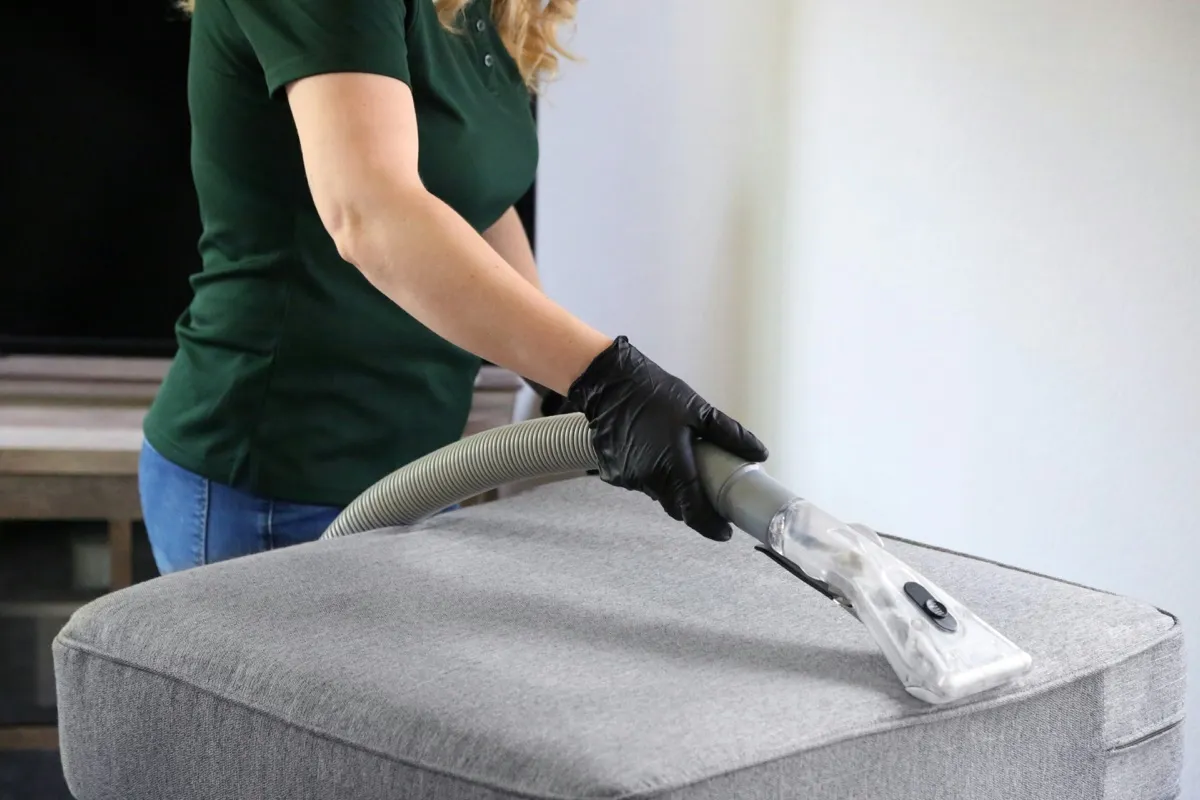
A glass of Turkish tea tips over on the sofa, your child decides the cushion is a canvas for their marker collection, or the family cat has an accident on your favorite armchair. These things happen in every household, and they happen fast. What matters is how you respond in the first few minutes and whether you use the right technique for the stain and the fabric.
The wrong approach can push a stain deeper into the fibers, cause discoloration, or permanently damage delicate upholstery. This guide walks you through the most common stain types found in Istanbul homes, with clear step-by-step removal instructions for each. We also cover which fabrics tolerate which treatments, when a stain is beyond home remedies, and what you should always have on hand for emergencies.
The Golden Rules of Stain Removal
Before you tackle any specific stain, these five principles apply universally. Following them will prevent the most common mistakes people make when panicking over a fresh spill.
-
Speed is everything. Treat the stain within the first five to ten minutes. A fresh stain is dramatically easier to remove than one that has dried and bonded with the fabric fibers. The longer you wait, the deeper the stain sets.
-
Blot, never rub. Rubbing pushes the stain deeper into the upholstery and spreads it outward. Always press a clean, dry white cloth firmly onto the stain to absorb as much liquid as possible. Lift and repeat with a fresh section of cloth.
-
Work from the outside in. Start at the edges of the stain and move toward the center. This prevents the stain from spreading into a larger area across the fabric surface.
-
Always test in a hidden area first. Before applying any cleaning solution, test it on an inconspicuous part of the sofa, such as the back panel or underneath a cushion. Wait five minutes and check for discoloration or texture changes.
-
Do not over-wet the fabric. Using too much liquid creates a new problem: moisture trapped deep in the cushion padding. This is especially critical in Istanbul’s coastal neighborhoods. In areas like Bakırköy, Ataköy, and Florya, where indoor humidity from the Marmara Sea regularly exceeds 65 percent, excess moisture in upholstery can lead to mold growth inside the cushions within days.
1. Tea and Turkish Coffee Stains
Tea is the single most common source of upholstery stains in Istanbul. It is served throughout the day, often on or near the sofa, and the tannin compounds in Turkish tea bond quickly with fabric fibers. Turkish coffee presents similar challenges, with the added difficulty of its darker pigmentation. In the fashionable apartments of Şişli and Nişantaşı, where light-colored upholstery is popular, coffee stains on cream or beige fabric are one of the most frequent complaints we hear.
For fresh tea stains:
- Blot immediately with a dry, clean white cloth to absorb as much liquid as possible
- Mix one tablespoon of white vinegar and a few drops of clear dish soap into one cup of lukewarm water
- Apply the solution to a clean cloth, then press it onto the stain — do not pour the solution directly on the fabric
- Let it sit for five to ten minutes
- Blot with a fresh damp cloth to rinse, then blot dry
- Allow to air dry completely
For dried tea stains: Make a paste of baking soda and water, apply it to the stain, and leave it for fifteen to twenty minutes. Wipe away with a damp cloth and repeat if needed.
For Turkish coffee stains: Use cold water instead of warm. Coffee contains proteins (especially if milk was added), and warm water can cook the protein, setting the stain permanently. Apply a cold water and dish soap solution, blot, and repeat. For milky coffee stains, an enzyme-based stain remover is more effective than vinegar.
When to call a professional: Dried or widespread tea and coffee stains respond best to professional steam cleaning. Steam at 150 degrees Celsius breaks down tannin molecules and extracts them completely from the fabric depth.
2. Red Wine Stains
Red wine stains cause immediate panic, but fast action makes them entirely manageable.
Step-by-step removal:
- Blot the fresh spill immediately — absorb as much wine as possible before it soaks in
- Generously sprinkle table salt over the entire stain. Salt draws the wine out of the fabric as it absorbs the moisture
- Leave the salt for fifteen to twenty minutes, then brush it away gently
- Pour cold sparkling water (soda water) over the stain and blot with a clean cloth
- For any remaining color, apply a baking soda and water paste, leave for thirty minutes, then wipe clean with a damp cloth
Important: The common advice to pour white wine or alcohol on red wine stains is a myth. Alcohol-based treatments can cause discoloration on many upholstery fabrics and should be avoided.
3. Blood Stains
The critical rule with blood stains is simple and non-negotiable: never use hot water. Heat causes the proteins in blood to coagulate and bind permanently to the fabric, making the stain essentially impossible to remove.
For fresh blood stains:
- Apply cold water immediately
- For light-colored fabrics: apply a few drops of 3 percent hydrogen peroxide directly to the stain. It will fizz as it reacts with the blood proteins — this is normal
- Blot with a clean cloth as the fizzing subsides
- Repeat until the stain lifts
- For dark-colored fabrics: use a cold saltwater solution instead of peroxide, which can lighten dark textiles
- Blot dry and allow to air dry
For dried blood stains: Soften the stain by pressing a cold, damp cloth against it for several minutes. Then apply an enzyme-based laundry detergent, which is specifically designed to break down protein-based stains. Let it sit for ten to fifteen minutes, then blot and rinse with cold water. Dried blood stains that have fully set typically require professional treatment for complete removal.
4. Ink and Marker Stains
A common challenge in family homes, particularly in growing suburban districts like Başakşehir and Beylikdüzü where young families make up a large share of the population. Children with pens, markers, and art supplies can turn a sofa cushion into a decorated surface in seconds.
For ballpoint pen ink:
- Apply a small amount of isopropyl (rubbing) alcohol to a clean white cloth
- Dab the stain gently from the outside edges inward — do not pour alcohol directly onto the fabric
- As ink transfers to the cloth, move to a fresh section of the cloth and repeat
- Continue until no more ink is transferring
- Blot with a damp cloth to rinse, then blot dry
For permanent marker and felt-tip pen:
- Mix equal parts white vinegar and clear dish soap
- Apply the mixture to the stain with a clean cloth
- Let it sit for ten minutes
- Blot with a damp cloth to rinse
- Repeat as needed — marker stains often require multiple passes
Fabric warning: Never use alcohol-based solutions on velvet, silk, or silk-blend upholstery. These fabrics are highly sensitive to alcohol and can suffer irreversible damage. For delicate fabrics, professional intervention is the only safe option.
5. Grease and Oil Stains
Cooking oil, butter, body lotion, hair products, and mechanical grease all create oil-based stains that penetrate fabric quickly.
Step-by-step removal:
- Blot any excess oil with paper towels, pressing firmly to absorb as much as possible
- Sprinkle a generous amount of cornstarch (or talcum powder) over the entire stain
- Leave it for twenty to thirty minutes — the powder absorbs the oil from the fabric
- Brush the powder away with a soft brush
- Apply a small amount of grease-cutting dish soap mixed with lukewarm water to the stain
- Blot with a clean cloth, then rinse by blotting with a water-dampened cloth
- Allow to air dry
For heavy grease and mechanical oil: These stains often resist home treatment entirely. The oil penetrates deeply and quickly, making surface remedies insufficient. Professional steam cleaning combined with specialized degreasing pre-treatment solutions is the most effective approach for heavy grease stains.
6. Chocolate Stains
Chocolate is a dual-challenge stain because it contains both fat and sugar, requiring a two-phase approach.
Step-by-step removal:
- Do not try to wipe melted chocolate. Instead, place ice cubes in a plastic bag and hold it against the chocolate to harden it
- Once solid, gently scrape the hardened chocolate away using the back of a butter knife or a plastic card
- Mix a solution of clear dish soap and cold water to address the fat component
- Apply with a cloth and blot the area
- For any remaining color, apply a vinegar and water solution (one part vinegar to two parts water)
- Blot clean with a damp cloth and allow to air dry
Tip: Always use cold water for the initial treatment. Warm water melts the fat in chocolate and can spread the stain into a larger area.
7. Pet Stains: Urine and Odor
Pet urine is among the most challenging stains because it involves both visible discoloration and a persistent odor caused by bacteria and uric acid crystals. If not treated properly, the odor can return even after the visible stain appears to be gone.
Step-by-step removal:
- Blot the fresh urine immediately with paper towels or a dry cloth. The more you absorb now, the less penetrates the cushion padding
- Apply an enzyme-based pet stain remover (available at most supermarkets and pet stores in Istanbul). Enzymatic cleaners are essential because they break down the uric acid crystals that cause the lingering odor
- Let the enzymatic cleaner sit for fifteen to twenty minutes
- Blot thoroughly
- Sprinkle baking soda generously over the area and leave it overnight. Baking soda absorbs residual odor from the surface
- Vacuum the baking soda the next morning
For odor elimination: A one-to-one mixture of white vinegar and water helps neutralize surface odor. However, urine that has soaked into the cushion padding is beyond the reach of home treatments. The bacteria and uric acid crystals trapped deep inside continue to produce odor, especially in warm weather. Professional steam cleaning at 150 degrees Celsius destroys 99.9 percent of the bacteria and enzyme-based professional solutions eliminate the odor at its source. You can send a photo of the stain via WhatsApp for an immediate assessment.
8. Food Stains: Sauce, Ketchup, and Soup
Eating on or near the sofa means food spills are inevitable. Tomato-based sauces, ketchup, and soups leave colorful, stubborn stains.
Step-by-step removal:
- Use a spoon or the back of a knife to lift away any solid food particles. Do not rub or smear them into the fabric
- Dampen the stained area with cold water
- Apply a mixture of clear dish soap and cold water with a clean cloth, blotting gently
- For stubborn colored stains: mix one tablespoon of white vinegar, two tablespoons of clear dish soap, and one cup of lukewarm water. Apply this solution and let it sit for five to ten minutes
- Blot with a clean, damp cloth to rinse
- Repeat until the color fades
For tomato-based stains (ketchup, marinara): These stains are highly acidic and set quickly. Speed is critical. After removing solids, apply cold water immediately, then follow with the vinegar-soap solution. A baking soda paste applied for fifteen minutes can help lift any remaining color after the initial cleaning.
Fabric-Specific Guidance
Not every cleaning method is safe for every fabric. Using the wrong solution or technique on the wrong material can cause damage worse than the original stain. For an in-depth look at every fabric type and its care requirements, see our complete upholstery fabric types and care guide.
Polyester and Microfiber
Polyester is the most forgiving upholstery fabric for stain removal. It tolerates most cleaning solutions, dries quickly, and resists moisture absorption. You can safely use water-based cleaning methods, vinegar, dish soap, and baking soda. Lukewarm water is fine. These fabrics are common in the modern apartment complexes across Beylikdüzü and other developing areas of Istanbul, and they are a practical choice for households that prioritize easy maintenance.
Velvet
Velvet requires a gentle touch. Never rub velvet — it crushes the pile and creates visible marks that are difficult to reverse. Use only steam or a lightly dampened cloth. Avoid alcohol-based products entirely. When blotting, press straight down and lift straight up without any lateral movement. Always brush the pile in one direction after cleaning. Professional cleaning is strongly recommended for anything beyond a minor surface stain.
Linen
Linen is water-tolerant but prone to shrinkage and shape distortion. Use only lukewarm water, never hot. Apply cleaning solutions sparingly and avoid over-wetting the fabric. After stain treatment, allow linen to dry naturally in its original position to minimize shape changes. If the linen has slipcovers, do not remove and machine-wash them without checking the care label, as many linen slipcovers will shrink.
Leather and Faux Leather
Leather requires a completely different approach from textile fabrics. Do not use vinegar, baking soda, or household cleaning solutions on leather. These can strip the protective finish, dry out the material, and cause cracking. For stains on leather upholstery, use a dedicated leather cleaning product. After cleaning, always apply a leather conditioner to restore moisture to the material. For serious stains on genuine leather, professional leather cleaning is always the safest option.
Silk and Silk-Blend Fabrics
Home stain removal on silk upholstery is not recommended. Silk is extremely sensitive to water, chemicals, and physical agitation. The only safe home intervention is to gently blot a fresh spill with a dry cloth and then contact a professional immediately. Any attempt at DIY stain treatment on silk carries a significant risk of permanent damage.
When to Handle It Yourself vs When to Call a Professional
Not every stain requires a professional visit, and not every stain can be handled at home. Knowing which is which saves you both money and potential fabric damage.
| Situation | DIY at Home | Professional Cleaning |
|---|---|---|
| Small, fresh stain | Suitable | Not necessary |
| Dried or set-in stain | Often insufficient | Recommended |
| Large area or multiple stains | High risk of spreading | Recommended |
| Pet urine with persistent odor | Temporary relief only | Required for lasting results |
| Delicate fabrics (silk, velvet) | High damage risk | Required |
| Multiple stain types on one sofa | Complex and risky | Recommended |
Why professional treatment is often the better choice:
- Equipment difference: Industrial steam extraction machines operate at 150 degrees Celsius with powerful vacuum systems. No household product can replicate this level of deep cleaning and contaminant removal.
- Solution expertise: Different stain and fabric combinations require different chemical approaches. A professional technician identifies the correct treatment before applying anything.
- Fabric safety: Professionals test fabric colorfastness and assess the material before selecting a method, eliminating the risk of accidental damage.
- Guaranteed results: A home attempt that goes wrong can make the stain worse or damage the fabric permanently. Professional services guarantee their work.
For a deeper understanding of what professional cleaning involves and how it compares to home methods, read our guide on steam upholstery cleaning benefits. If you are new to Istanbul and navigating cleaning services for the first time, our expat guide to upholstery cleaning covers everything from pricing to what to expect.
Temizyo provides on-site upholstery cleaning and stain removal across all districts of Istanbul’s European Side. Same-day appointments are available in Beylikdüzü, Şişli, Bakırköy, and surrounding areas.
Your Emergency Stain Kit Checklist
Having the right supplies within arm’s reach when a stain happens makes the difference between a quick fix and a permanent mark. Keep these items together in a small box or basket near your main living area.
- Clean white microfiber cloths (at least five). White cloths prevent dye transfer from the cloth to your upholstery during treatment.
- White vinegar. A natural acid effective against tannin-based stains (tea, coffee) and for odor neutralization.
- Baking soda (sodium bicarbonate). Absorbs grease, lifts color from stains, and neutralizes odors.
- Clear dish soap. Choose a colorless, fragrance-free formula to avoid adding dye or residue to the fabric.
- Hydrogen peroxide (3 percent solution). Effective for blood stains and organic discoloration on light fabrics.
- Cornstarch or talcum powder. Essential for absorbing oil and grease from fabric before liquid treatment.
- Cold sparkling water (soda water). Useful for wine stains and as a gentle, non-chemical first response to many spills.
- Enzyme-based pet stain remover. The only product that effectively breaks down uric acid crystals from pet urine.
- Isopropyl (rubbing) alcohol. For ink and ballpoint pen stains on non-delicate fabrics only.
- Spray bottle. For controlled application of cleaning solutions without over-wetting the fabric.
Having this kit ready means you can act within the critical first five minutes, which is the single biggest factor in successful stain removal.
Istanbul-Specific Considerations
Living in Istanbul introduces environmental factors that affect both how stains develop and how you should treat them.
Humidity and drying. After treating any stain at home, drying the fabric completely is essential to prevent mold and mildew. In coastal districts along the Marmara Sea, such as Bakırköy, Ataköy, and Yeşilköy, the naturally high humidity slows drying significantly. After stain treatment, use a fan directed at the cleaned area or run a dehumidifier in the room. In contrast, apartments in inland areas and those with central heating during winter months will dry considerably faster.
Dust and re-soiling. Istanbul’s urban dust settles on damp surfaces and can leave a ring around a cleaned area if the fabric stays wet too long. Work with minimal moisture and ensure thorough drying to avoid this.
Seasonal considerations. The best time for home stain treatment (and for scheduling professional cleaning) is mid-spring and early autumn, when moderate temperatures and lower humidity create ideal drying conditions. During the humid summer months, extra care with ventilation is necessary after any liquid-based stain treatment.
Frequently Asked Questions
How do I remove an old, dried stain from my sofa?
Removing dried stains requires softening the residue before treatment. Apply a baking soda paste, enzyme-based cleaner, or hydrogen peroxide depending on the stain type and let it sit for fifteen to twenty minutes. However, stains that have fully bonded with the fabric fibers rarely come out completely with home methods alone. Professional steam cleaning at 150 degrees Celsius dissolves set-in stains at a molecular level and extracts them from the deepest fabric layers.
Will stain removal damage my sofa fabric?
Stain removal does not damage fabric when the correct method is used for the specific material. The risk comes from using the wrong product — for example, alcohol on velvet or vinegar on leather. Always test any solution on a hidden area of the sofa first and wait five minutes before proceeding. For delicate fabrics like silk or specialty velvet, professional treatment is the only approach that guarantees fabric safety.
What is the hardest type of stain to remove from upholstery?
Ink, dried blood, and oil-based paint are the most difficult stains to remove at home. Pet urine presents a unique challenge because the odor persists even after visible discoloration is treated, due to uric acid crystals trapped deep in the padding. For these stain types, home methods typically provide only partial results. Professional steam extraction combined with targeted enzyme or solvent pre-treatments achieves the highest success rates for stubborn stains.
Can I use baking soda and vinegar on any upholstery fabric?
Baking soda and vinegar are effective on many common fabrics like polyester, microfiber, and cotton for light and fresh stains. However, they are not universally safe. Baking soda can leave white residue on dark fabrics if not thoroughly removed, and vinegar can strip the finish from leather or damage silk fibers. Always check your sofa care label and test the solution on an inconspicuous area first before treating visible surfaces.
How quickly do I need to treat a stain for the best chance of removal?
Treating a stain within the first five to ten minutes gives you the highest chance of complete removal. Fresh stains sit on the surface of the fabric and have not yet bonded with the fibers, making them far easier to lift. After thirty minutes, many stains begin to set. After several hours, home removal becomes significantly more difficult. If you miss the initial window, blot what you can and contact a professional service rather than attempting aggressive treatment that could spread or set the stain further.
This guide was prepared by the Temizyo editorial team. For professional upholstery stain removal and deep cleaning across Istanbul’s European Side, visit our upholstery cleaning page or contact us via WhatsApp for a quick assessment and quote.
Need Professional Help?
Temizyo's expert team is ready to help. Get a free quote in 2 minutes via WhatsApp.
Ferhat Anaç is the founder of Temizyo, a professional cleaning service platform serving Istanbul's European Side. With hands-on experience across upholstery, carpet, and yacht cleaning, he leads a team delivering eco-friendly, detail-oriented cleaning to thousands of homes and businesses.